Guides
Drain cleaning guides, written symptom first
These drain cleaning guides start from what you can see or smell, explain the likely cause in a Columbus house, list safe checks, and tell you what to mention when you call to reach a local contractor.
First Steps
Drying and Cleanup
Leaks and Pipes
Storms and Flooding
Fire and Smoke
Insurance and Hiring
How to use these guides
Each guide opens with a short answer, then a table that maps what you see to the likely cause and the next step. After that come safe checks, a deeper look at each cause, how a contractor usually diagnoses it, and prevention. The last section lists the details worth having ready before you call, which makes the conversation shorter and the visit better targeted.
Where Columbus rules matter, the guides say so: reporting a basement sewer backup to the city, the Project Dry Basement program, Blueprint Columbus lateral lining and OHIO811 before any digging. Sources are listed at the bottom of each guide. Nothing here replaces an on-site look by a qualified contractor.
The first six topics cover the questions behind most drain calls: water at the basement floor drain, roots in older laterals, a single slow sink, a sewer odour with no visible leak, several fixtures failing together, and whether a sewer line should be cleaned again or replaced. Newer guides go deeper into Columbus itself: combined sewers and backwater valves under Project Dry Basement, clay and cast iron in historic homes, student rentals near campus, kitchen grease habits, an odour at the basement grate, winter drain prep and quick fixes for a slow bathroom basin. If water is rising right now, go to the emergency hub instead.
All drain guides
 Guide
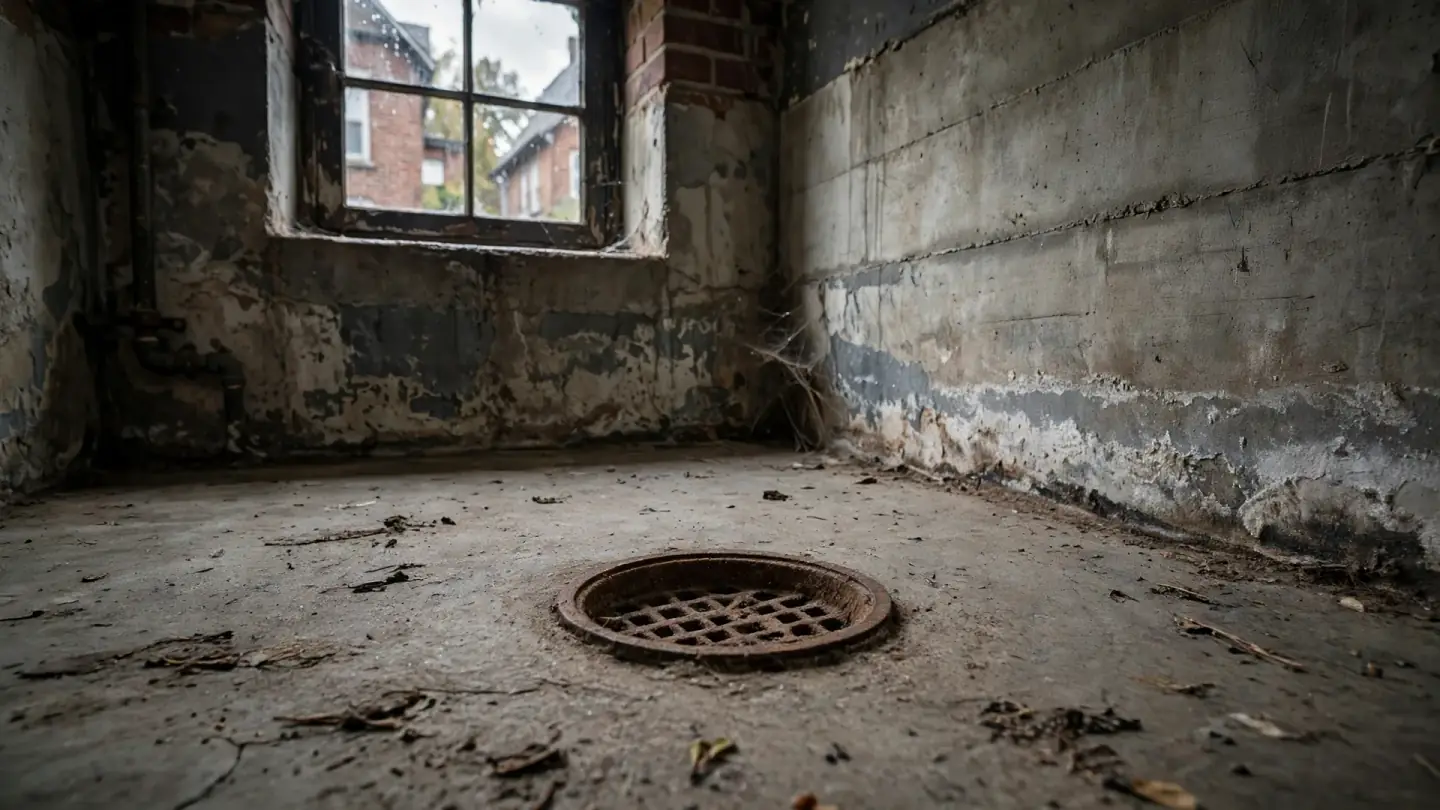
Backwater valves and Project Dry Basement
What a backwater valve does, how Columbus decides who gets one, and how to keep the flapper sealing.
Read the guide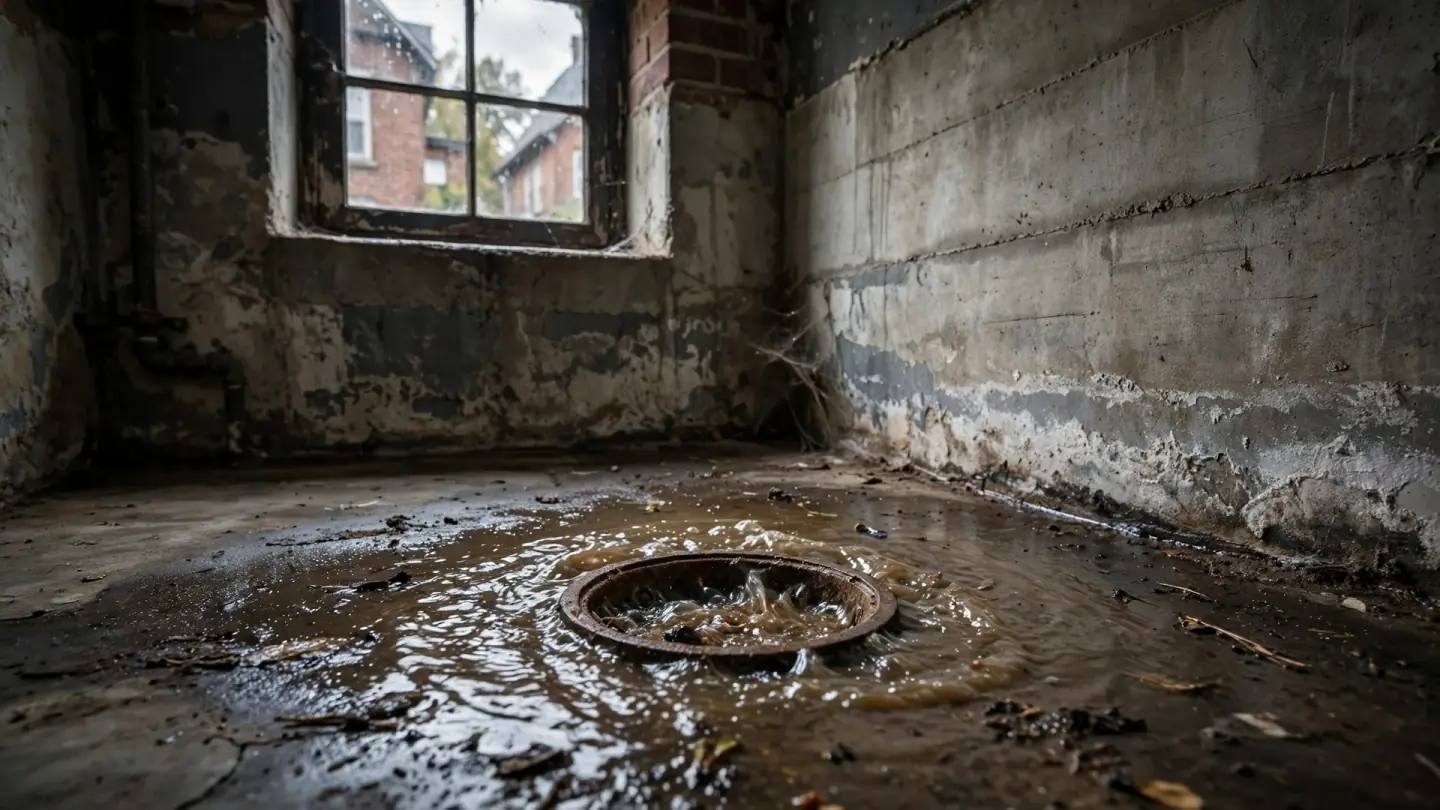 Guide
Basement floor drain backing up
Private clog or city sewer surcharge? How to tell, what to report, and when Project Dry Basement may apply.
Read the guide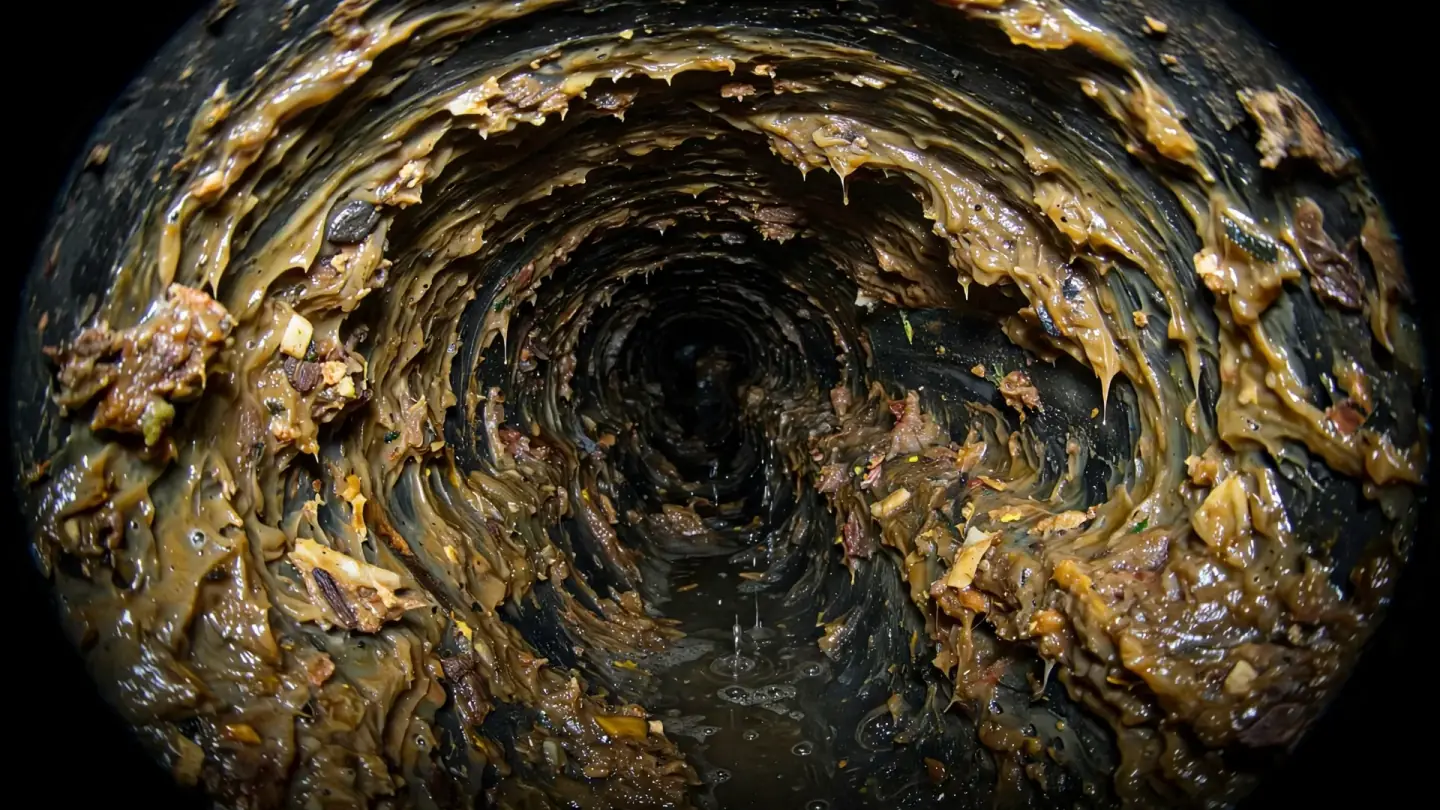 Guide
Cast iron and clay drains in historic homes
Rusting cast iron stacks, root-prone clay joints and Orangeburg sections: how old drains in historic houses fail and are cleaned.
Read the guide Guide
Combined sewers and your basement
Combined or separate sewer under your street? How each one behaves in a storm and what that means for your floor drain.
Read the guide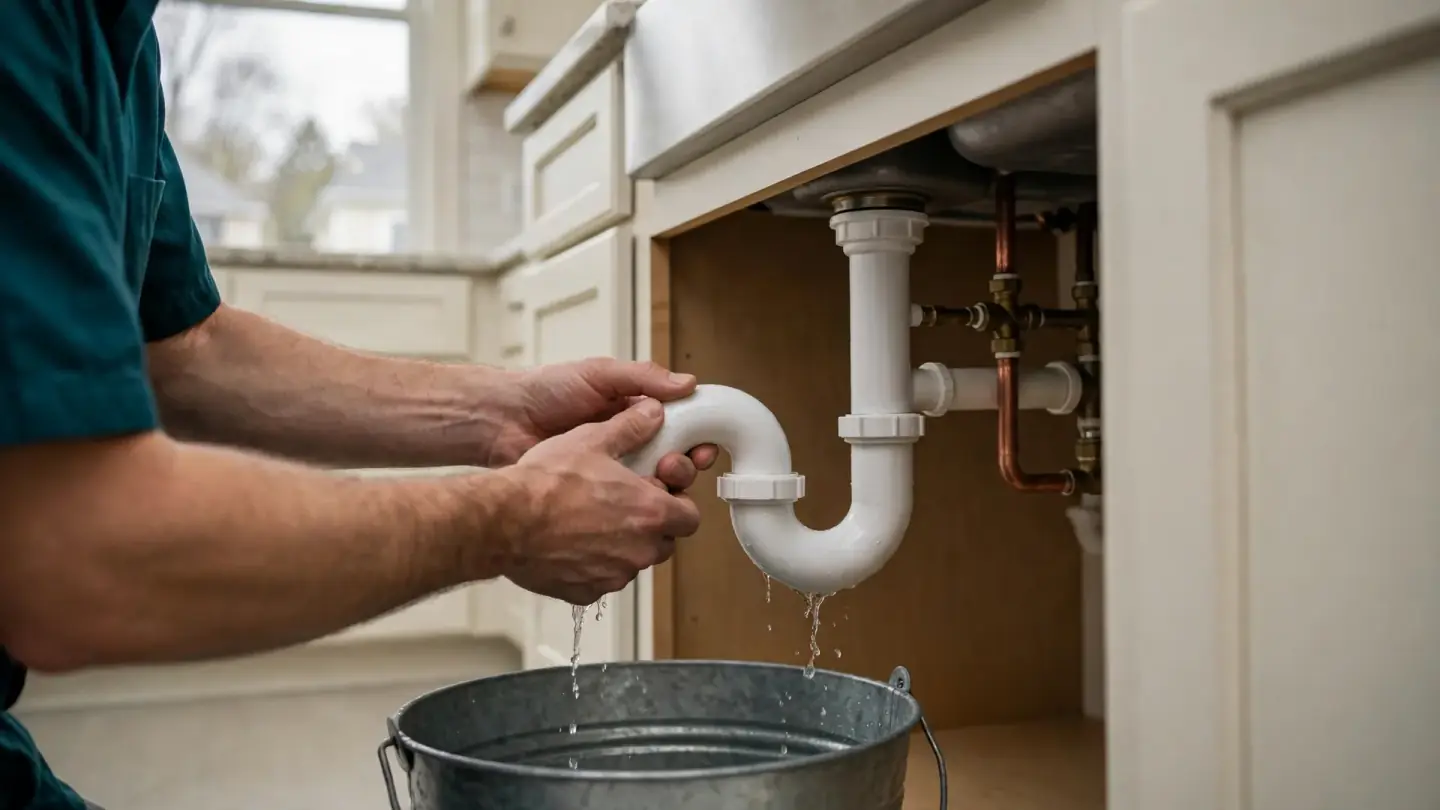 Guide
Fats, oils and grease disposal
Bacon fat, fryer oil and pan drippings: where they go instead of the sink, and why it matters for your lateral.
Read the guide- Guide
Floor drain smell in the basement
The odor comes from the floor grate itself: dry trap, missing plug, loose valve lid or a cracked drain body.
Read the guide - Guide
Getting drains ready for winter
Fall checks for downspouts, outdoor cleanouts, basement traps and kitchen habits before the cold sets in.
Read the guide 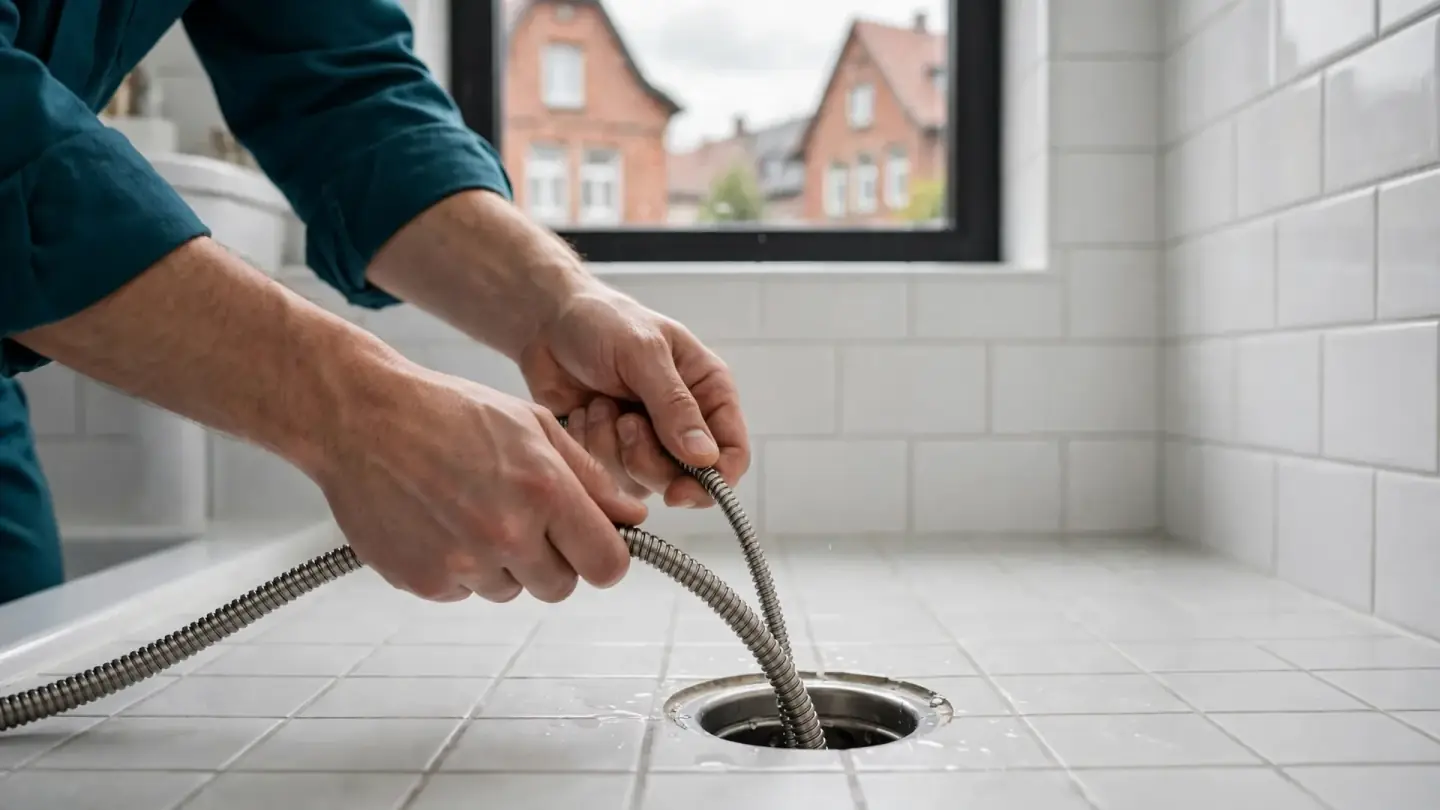 Guide
Multiple drains backing up
Toilet, tub and floor drain all acting up together? Why that points to the main line and what to do in the first hour.
Read the guide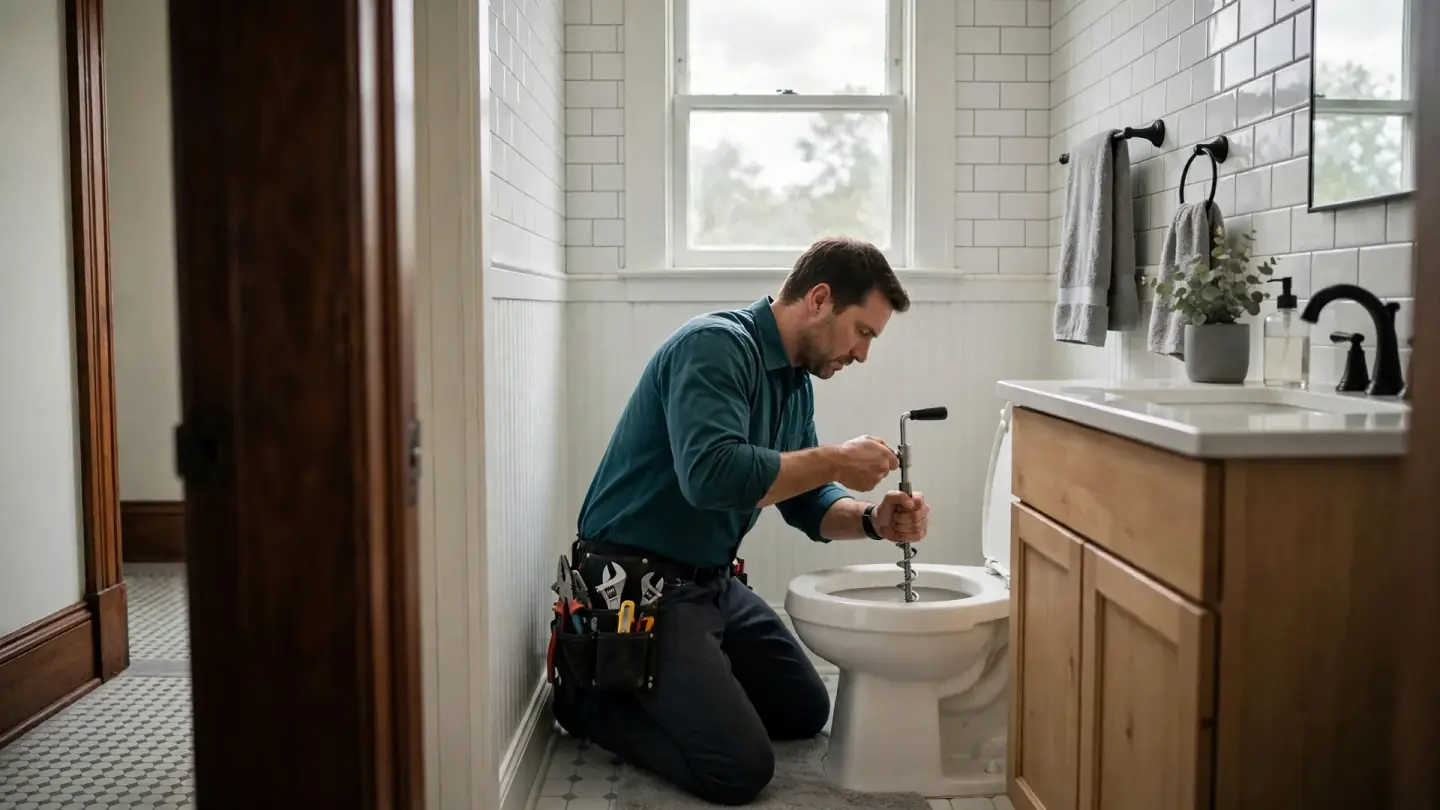 Guide
Sewer smell in the house
Dry traps, failed wax rings, blocked vents or a cracked pipe: how to narrow down a sewer odor safely.
Read the guide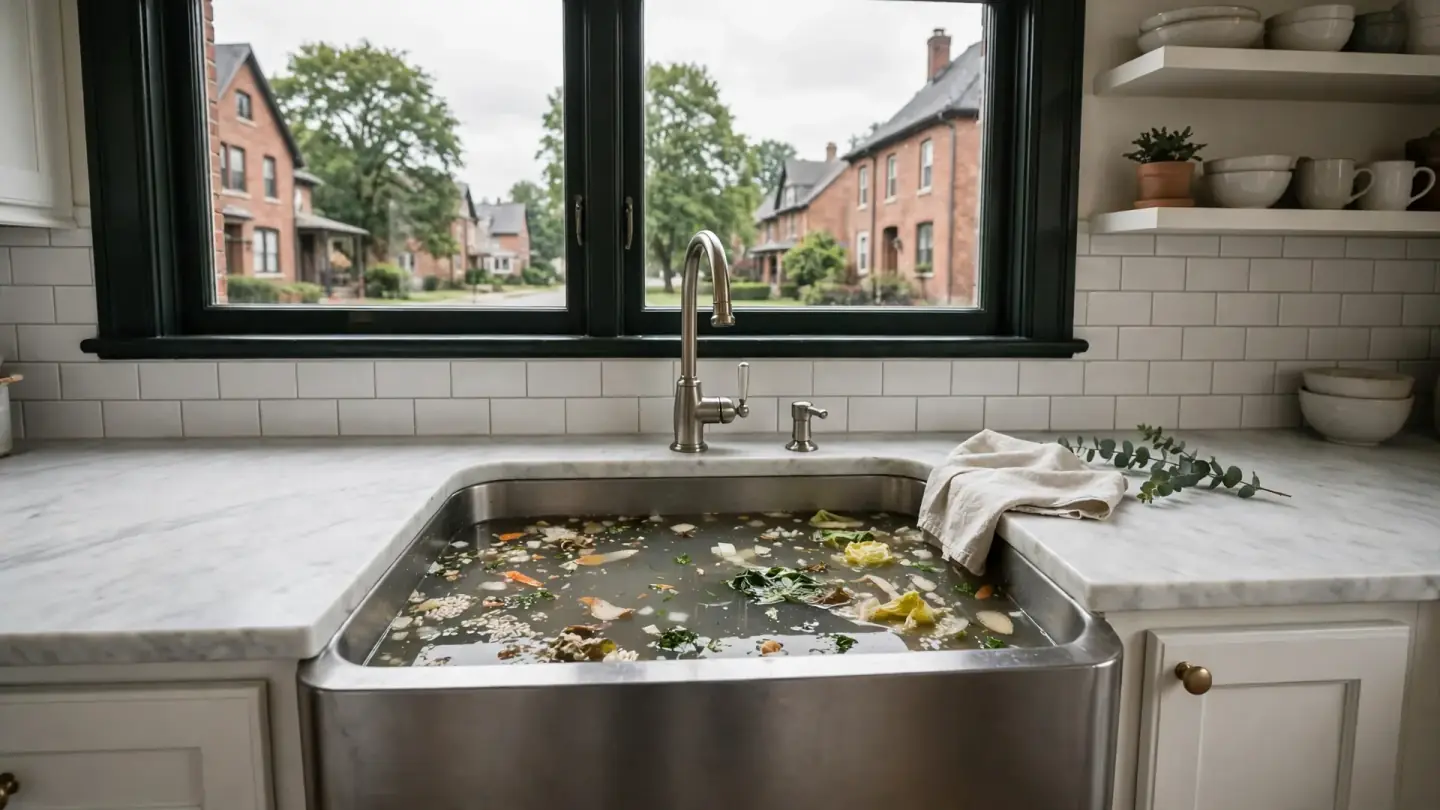 Guide
Slow bathroom sink fixes
Clean the pop-up stopper, flush the overflow, open the trap, then decide whether the clog is past the wall.
Read the guide Guide
Slow draining sink
Hair, soap, grease or a deeper clog? Safe checks for a sluggish sink and the point where a cable machine is needed.
Read the guide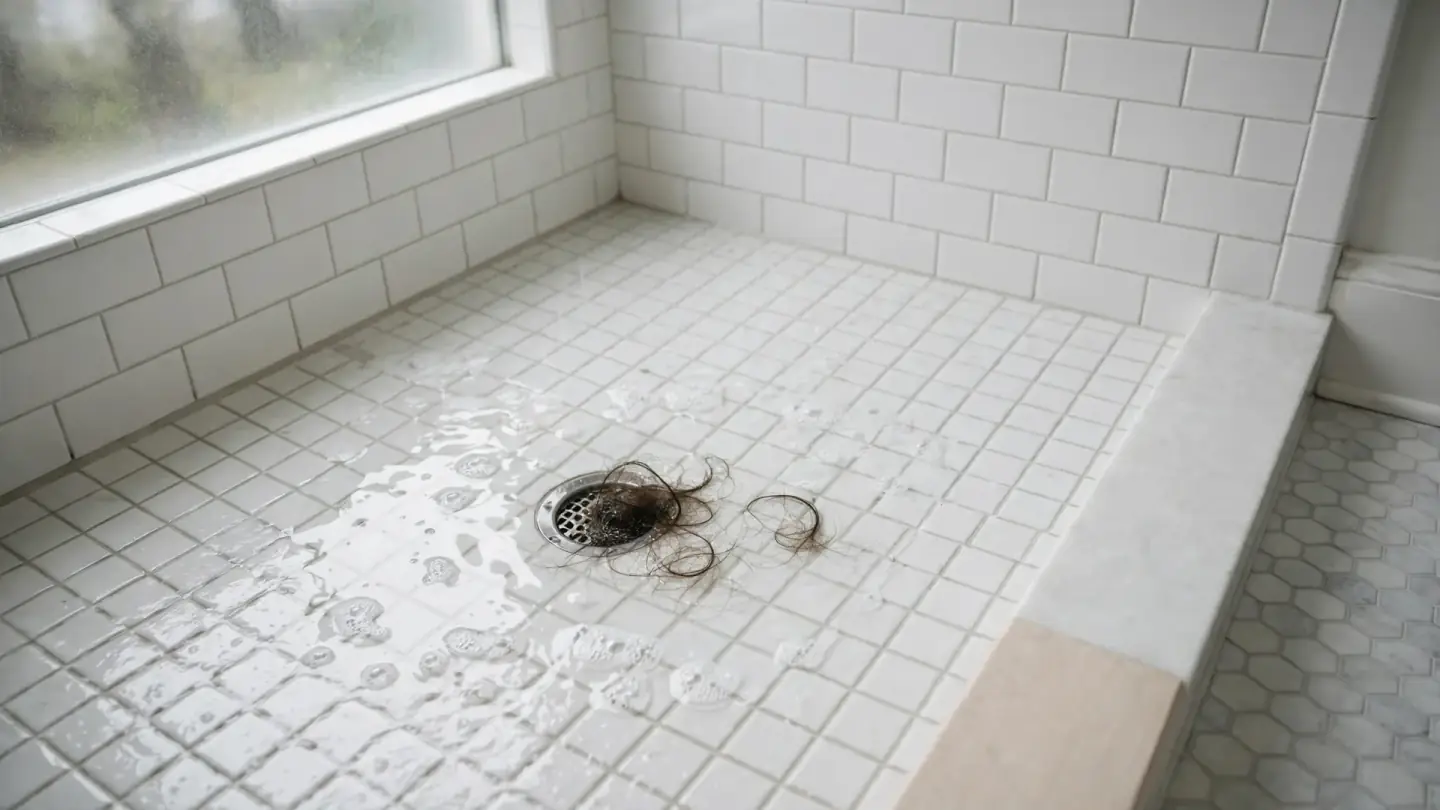 Guide
Student rental drain clogs near OSU
Shared bathrooms, converted houses and hair, grease and wipes: how clogs happen in campus-area rentals and how to report them.
Read the guide- Guide
Tree roots in sewer lines
Why mature street trees and old clay laterals are a bad pairing, and what lasts longer than cutting.
Read the guide 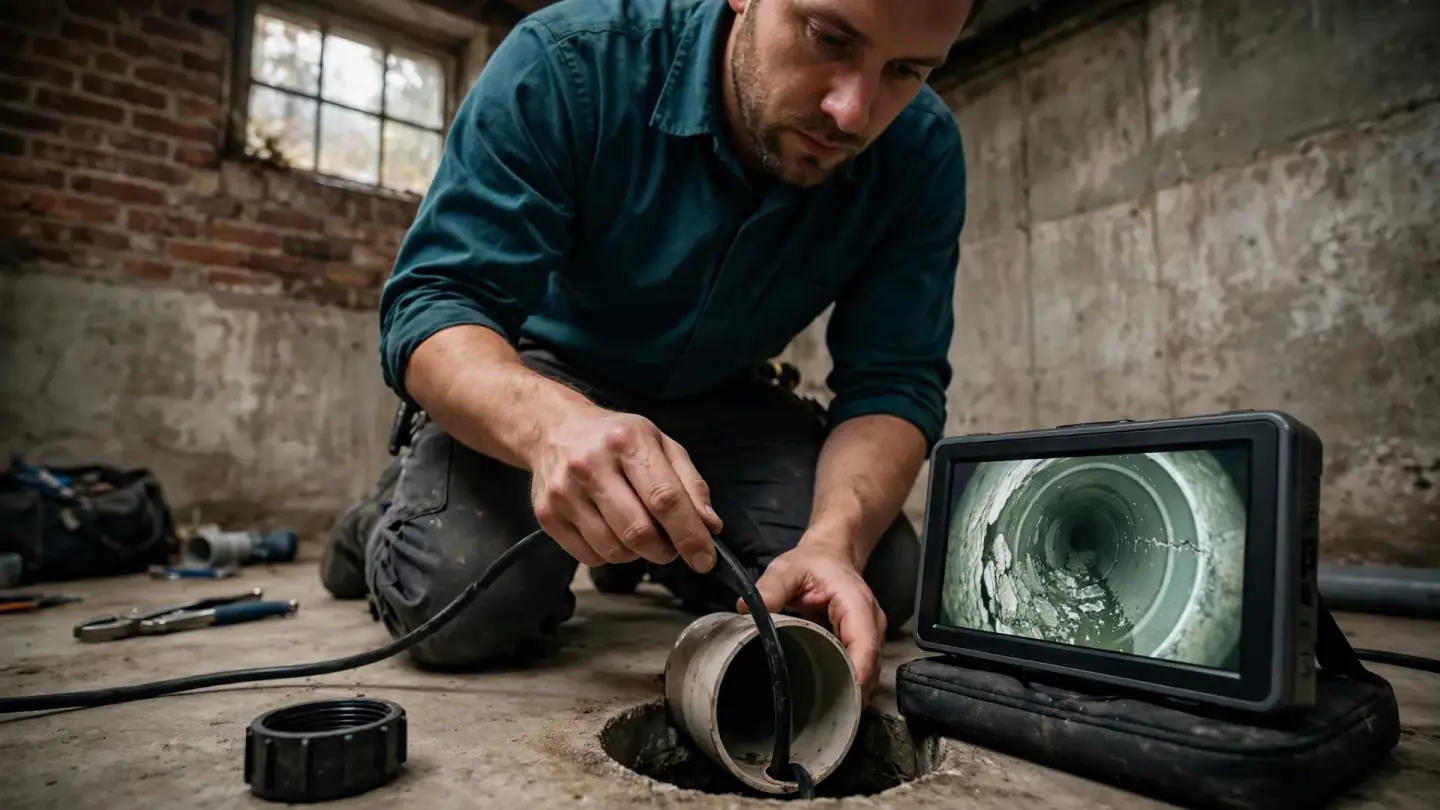 Guide
When to replace vs clean a sewer line
Pipe material, camera footage and how often it backs up: the condition-based way to choose cleaning, lining or replacement.
Read the guide
FAQ
Questions about using these guides
Which drain guide should I read if water is coming up in the basement?
Start with the basement floor drain backup guide if water is rising in the basement. It explains how to tell a private clog from a surcharged Columbus sewer and when to report to the city. If upstairs fixtures are also backing up, the multiple drains guide covers main line blockages in more detail.
Are these drain guides a substitute for having a contractor look at the pipe?
A drain guide is not a substitute for a contractor examining the pipe. The guides explain common causes, safe checks and the questions worth asking, so the call is more useful. Diagnosis of a specific drain needs tools such as an auger, jetter or camera, and that work is done by the independent contractor you are connected with.
How are the Columbus drain guides checked for accuracy?
Each Columbus drain guide cites its sources, such as city utility pages, the Ohio Plumbing Code and reference articles, in a numbered list at the end. Pages show a review date and are updated when city programs change. The editorial policy explains how sources are chosen and how corrections are handled.
Can I fix a slow drain myself after reading a guide?
Many slow drains can be fixed safely by hand after reading a guide, such as cleaning a pop-up stopper or a tub strainer. Each guide marks which checks are safe for a homeowner and which need tools. Stop and call when sewage is involved, several drains are affected, or a cleared drain slows again within days.
Read enough and want it handled?
Call and describe the symptom from the guide. You'll speak with an independent local contractor on that call.