Key facts: Emergency Commercial Drain Cleaning
- Columbus requires food service establishments to keep a fats, oils and grease best management plan, including a grease interceptor cleaning log [1].
- A grease interceptor separates fats from kitchen wastewater before it reaches the sewer; when it is full, grease passes into the building line [2].
- Sewage overflows are a public health and environmental concern, which is why spills should be contained quickly [3].
- Columbus plumbing permit applications ask for the contractor's city registration [4].
The business view
Why do commercial drain emergencies escalate so fast?
Commercial drains carry far more than household drains. A restaurant kitchen sends hot, greasy water from sinks, dishwashers and floor drains through the same lines all day. An office building or apartment block sends dozens of toilets into one stack. When any of those lines blocks, the volume keeps coming, and the overflow appears at the lowest point: a kitchen floor drain, a ground-floor restroom, a basement mechanical room.
The consequences are different too. A health inspector may treat sewage on a kitchen floor as a reason to stop food service. Tenants in a building expect to be told what is happening and when. Insurance and lease questions follow. The plumbing work itself may be similar to a house, but the decisions around it are bigger, so getting clear information from the contractor on the call matters more.
Signals
Commercial drain warning signs that need action now
Kitchen floor drains backing up
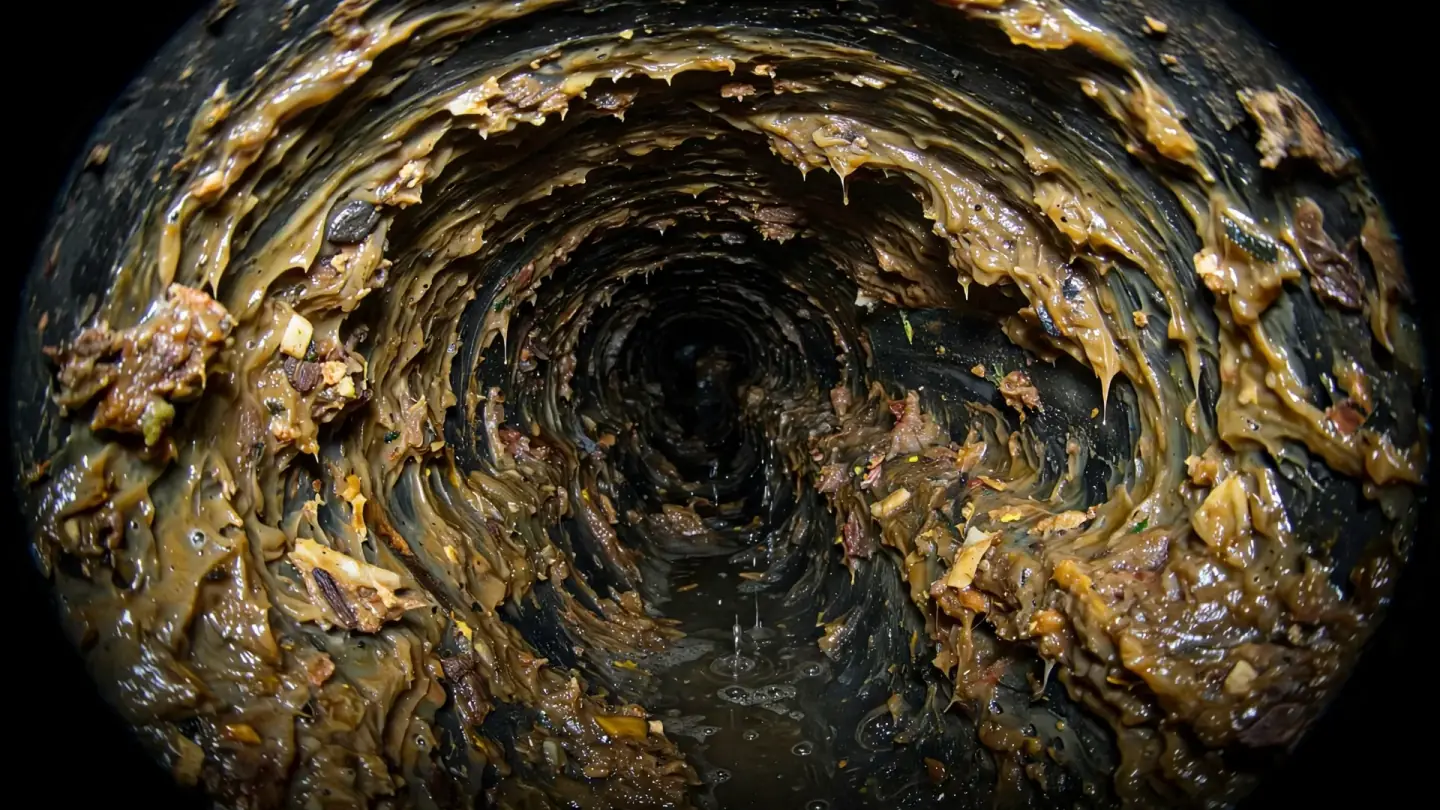
Water rising out of floor drains or floor sinks during service usually means the kitchen line or interceptor outlet is blocked with grease.
Grease interceptor overflowing
Grease or water coming out of the interceptor lid or the floor around it means it is full or its outlet is blocked [2].
Several tenants report the same thing
Backups on more than one floor of a building point to a shared stack or building drain, not one unit's fixtures.
Restrooms out of order
Customer restrooms that back up at the same time as staff ones suggest the shared line below them, not individual toilets.
The visit
How an urgent commercial drain visit is handled
- 1
Describing the building on the call
Say what kind of business it is, which drains are affected, where the cleanouts and interceptor are, and whether you are open. That lets the contractor bring the right equipment.
- 2
Finding the blockage
The contractor works from the lowest affected drain toward the building drain, checking the interceptor outlet in kitchens.
- 3
Opening the line
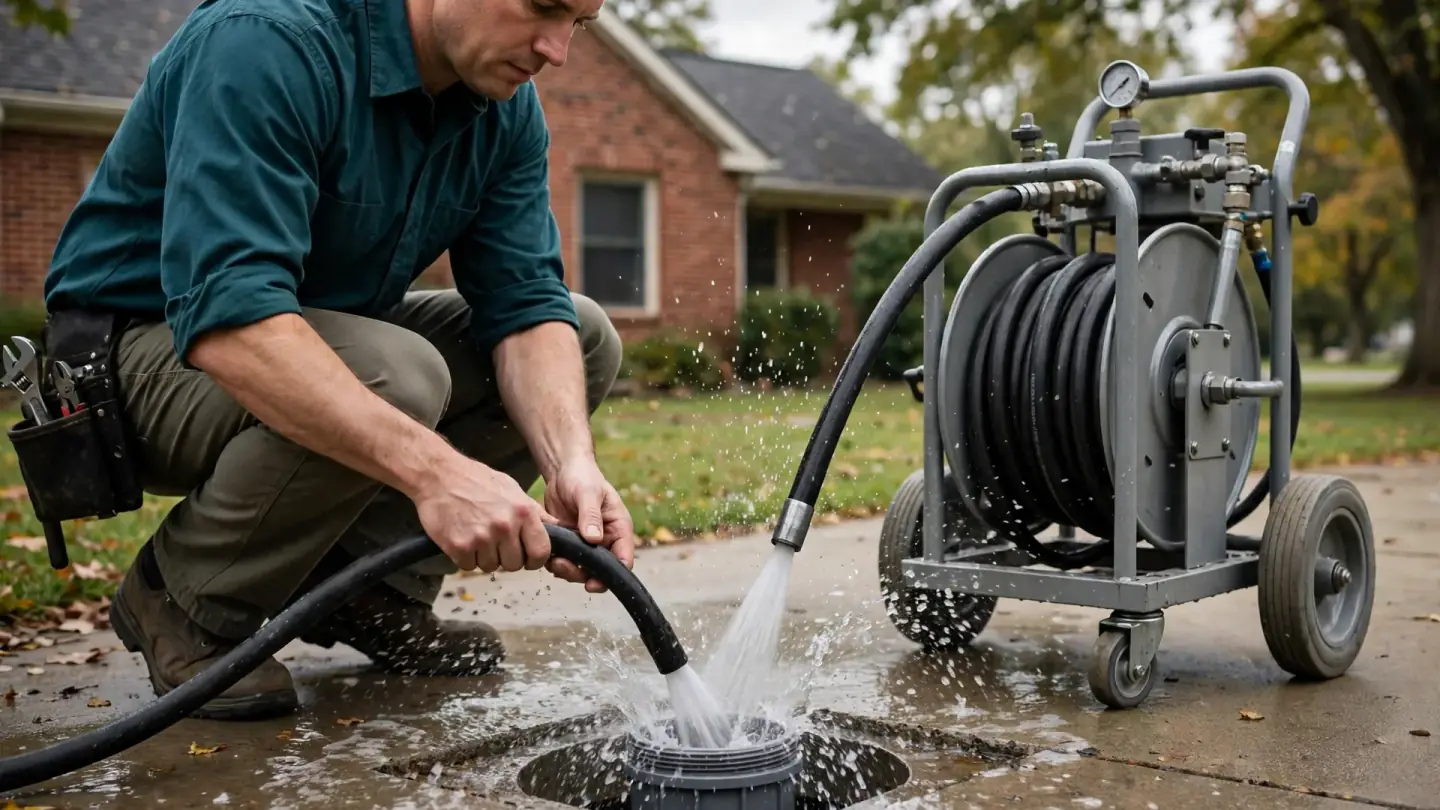
A heavy cable machine or a jetter clears the line. Grease-packed kitchen lines often need hydro jetting to stay open.
- 4
Checking the interceptor
If the interceptor is full, it needs pumping by a grease hauler; the contractor can tell you whether that caused the backup.
- 5
Record and follow-up
Ask for a note of what was found. It helps with your FOG log, your landlord, and planning preventative drain maintenance.
By building type
Commercial backups by type of property
| Property | Common urgent problem | Usual focus |
|---|---|---|
| Restaurant or bar | Grease in kitchen lines and floor drains | Interceptor and kitchen line |
| Apartment or condo building | Shared stack or building drain blocked | Main cleanout and stack |
| Retail or office | Restroom lines blocked by paper and wipes | Restroom branch line |
| Mixed-use with ground-floor food | Grease from below and waste from above | Separate kitchen and residential lines |
Columbus rules
Grease rules and permits for Columbus businesses
Food service businesses inside Columbus fall under the city's fats, oils and grease program. The city requires a best management plan, and a central part of it is a log of grease interceptor cleanings [1]. After an emergency, update that log and keep the contractor's notes with it. If a backup traces to an interceptor that was overdue for pumping, the fix is a schedule, not just a cleaning.
Some emergencies uncover work that needs a permit, such as replacing a broken section of building drain. In Columbus, plumbing permits go through Building and Zoning Services, and only a contractor registered with the city can be named on the form [4]. Ask the contractor on the call whether the work they expect needs one. For everyday follow-up, the standard commercial drain cleaning page explains scheduled service for kitchens and buildings.
Mixed-use buildings
Backups in buildings with food below and homes above
Columbus has many buildings that combine a ground-floor restaurant or bar with apartments or offices upstairs, especially along busy corridors. In these buildings the kitchen line and the residential stacks may join before leaving the building. Grease from the kitchen can then narrow a pipe that also carries every toilet upstairs, so a busy weekend in the restaurant can show up as a backup in a tenant's bathroom.
When you call about a building like this, describe who is affected and on which floors. If both the kitchen and the upper units are backing up, the blockage is likely in the shared building drain. If only the kitchen is affected, it is in the kitchen branch or interceptor. That distinction decides where the contractor starts and who in the building needs to stop using water.
Afterwards, it is worth finding out whether the kitchen and residential lines can be cleaned on separate schedules, and whether the building drain needs regular jetting. A building manager who knows where every cleanout is, and keeps them accessible rather than buried behind storage, makes every future emergency easier.
Keep a simple drain file for the property: a sketch of where the cleanouts and interceptor are, the date of each cleaning, and the notes from each emergency call. When the next backup happens, whoever answers the phone can give the contractor accurate information in a minute.
FAQ
Commercial drain emergency questions
Does a restaurant have to stop cooking when the kitchen floor drain backs up?
Food preparation should stop wherever wastewater is on the floor or near food contact surfaces. Shut off the dish machine and prep sinks that feed the blocked line, close the affected area, and move food away. Your local health inspector sets the rules for reopening, so keep a note of what happened and when the line was cleared.
Is pumping out a full grease interceptor the same job as clearing the drain line?
Pumping an interceptor and clearing a drain line are separate tasks, sometimes done by different companies. A full interceptor lets grease pass into the building line, which then blocks. Columbus expects food service businesses to keep an interceptor cleaning log as part of their grease plan, so record any pump-out along with the line cleaning [1][2].
Who is responsible for a drain backup in a rented commercial building in Columbus?
Responsibility usually depends on the lease and on where the blockage is found. A grease clog from one tenant's kitchen line is often treated differently from a blocked building main. Tell the landlord or property manager straight away, photograph the damage, and ask the contractor to note the blockage location and cause on their paperwork.
Can an emergency commercial drain cleaning wait until the store closes for the night?
Waiting is reasonable only if the blocked fixtures can be shut off and nothing is overflowing. A restroom that can be closed may wait for a visit after hours. Sewage on a sales floor, in a kitchen or into a tenant unit should not wait. Ask the contractor on the call what after-hours availability they have.
What should a property manager tell tenants during a building drain stack backup?
Tell tenants on the affected stack to stop running water, flushing and using dishwashers or washers until the line is cleared. Name the floors involved, give a time for the next update, and ask them to report water in their units. Lower floors usually feel a stack blockage first, so check those units early.
How do commercial kitchens in Columbus keep grease from blocking drains again?
Grease control comes from scraping plates, keeping fats out of sinks and pumping interceptors on a schedule. Columbus requires food service businesses to follow a fats, oils and grease plan [1]. Regular scheduled drain maintenance and occasional jetting of the kitchen line can help, and the commercial drain cleaning page has more detail.
What should a business owner have ready before calling for urgent drain cleaning?
Have the building address, which fixtures are affected, the location of the cleanout and interceptor if known, and the last pump-out date. Say whether tenants or customers are affected. If the line was jetted before, mention it; the urgent jetting page explains when that tool fits. Other options are on the services overview, and the basement drain guide helps with floor drains.