Key facts: Hydro Jetting
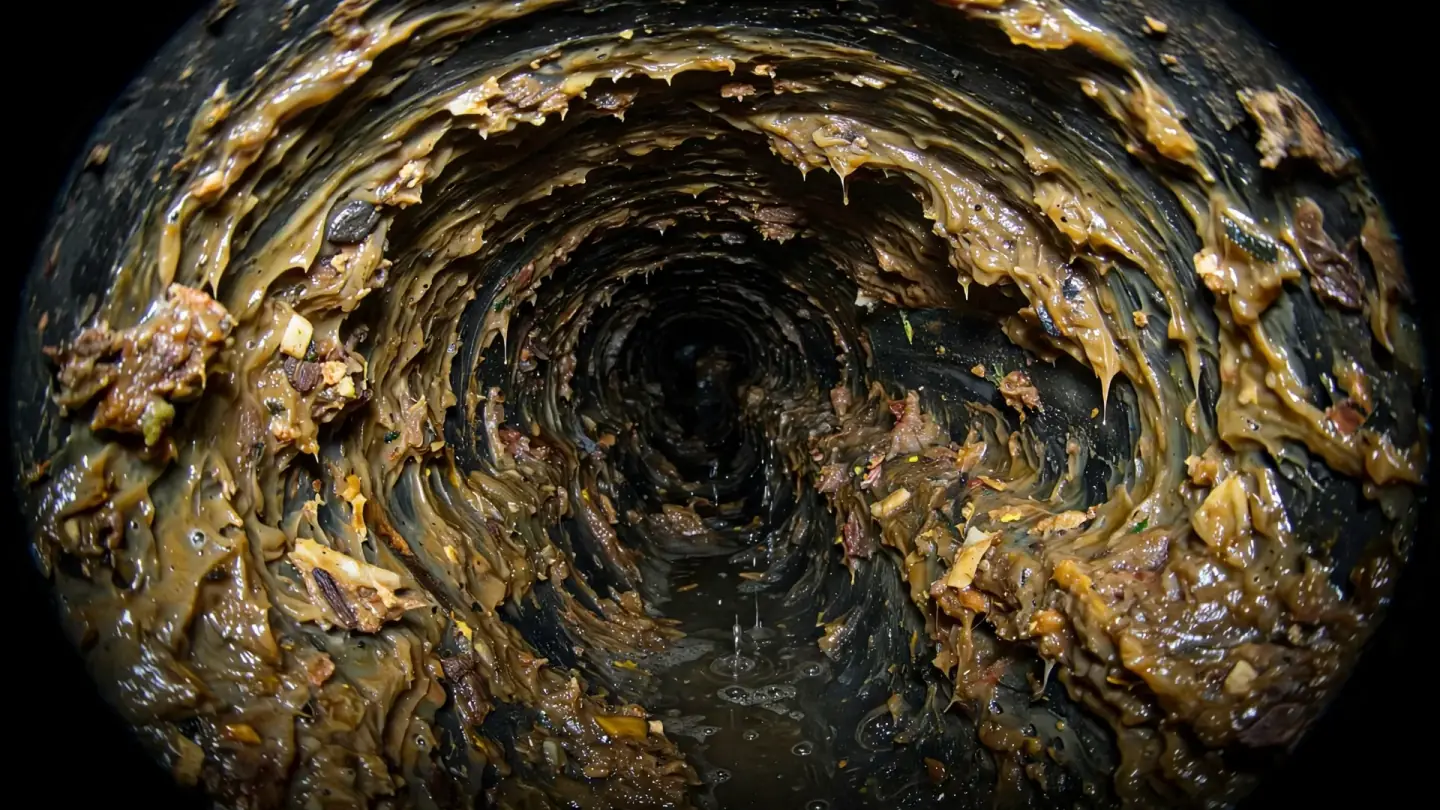
- A jetter nozzle has rear-facing jets that pull the hose forward and scrub the pipe wall as it is reeled back, removing grease and sludge a cable cuts through but leaves.
- Columbus requires food service establishments to keep a FOG Best Management Plan that includes a grease interceptor cleaning log [1].
- Grease, wipes and other solids combine into hardened masses known as fatbergs that can block sewers [2].
- Clay tile laterals have many joints that can crack or offset, so a camera check often comes before jetting an older line [3].
How it works
How a jetter cleans what a cable leaves behind
A drain cable is a rotating steel spring with a cutter on the end. It is excellent at punching through a blockage, but in a grease-lined pipe it leaves a tunnel roughly the width of the cutter, with the rest of the deposit still clinging to the walls. The line drains again, then narrows back down within weeks.
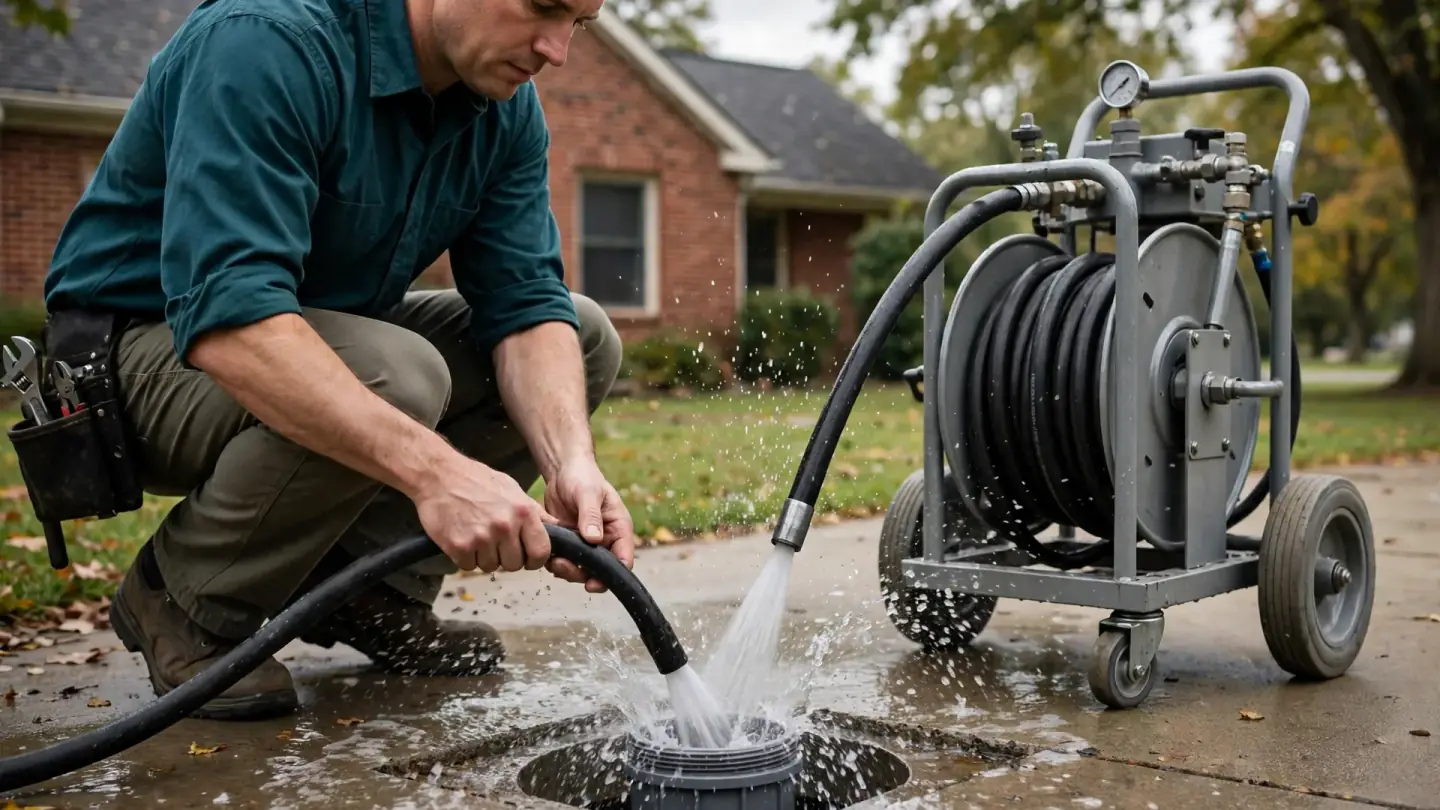
A jetter works differently. A pump on a cart or trailer pushes water through a flexible hose to a nozzle. Most nozzles have one or more forward jets to break up material ahead of them and several rear jets angled backward. Those rear jets do two jobs: they propel the hose up the pipe, and they blast the full circumference of the pipe wall as the hose is pulled back. The loosened grease, scale, sand and root fragments are flushed downstream toward the public sewer.
Different nozzles suit different jobs. A penetrating nozzle opens a stoppage; a flushing nozzle moves sand and silt; a rotating nozzle spins its jets to scour hardened grease; a root-cutting attachment shears fine root hair. The contractor chooses based on the pipe size, material and what is in it.
Jetting is not automatically the right first tool. If a line is completely blocked with standing water, many contractors open it with a cable first and jet afterward. If a camera shows a broken or collapsed section, jetting is usually ruled out, because water under pressure can wash soil into the pipe. That is why jetting and drain camera inspection so often go together.
See how jetting fits with other Columbus drain services, restaurant and building drain work and kitchen line clearing. Jetting is most often used on the building lateral, which the main sewer cleaning page describes in more detail.
Signs
Which lines need jetting rather than a cable?
A kitchen line that keeps narrowing
Grease coats kitchen branch pipes from the inside. If a slow draining sink returns weeks after a cable visit, jetting is often the fix.
Restaurant and bar drains
Commercial kitchens send far more fat down the line than homes. Jetting is a standard part of commercial drain cleaning.
Root debris after cutting
After roots are cut, fragments and fine hair remain. A jet flushes them out, but read about tree roots in sewer lines to understand regrowth.
Several drains slow together
Sludge along a main line slows everything upstream. The multiple drains backing up guide explains how to tell.
The process
A typical hydro jetting visit, step by step
- 1
Describe the line on the call
Which drain, how often it slows, whether it is residential or commercial, and any past cable cleanings. This tells the contractor which jetter and nozzles to bring.
- 2
Inspect or open first
A camera look or a cable pass confirms the pipe is intact and gives the jet a path.
- 3
Protect the work area
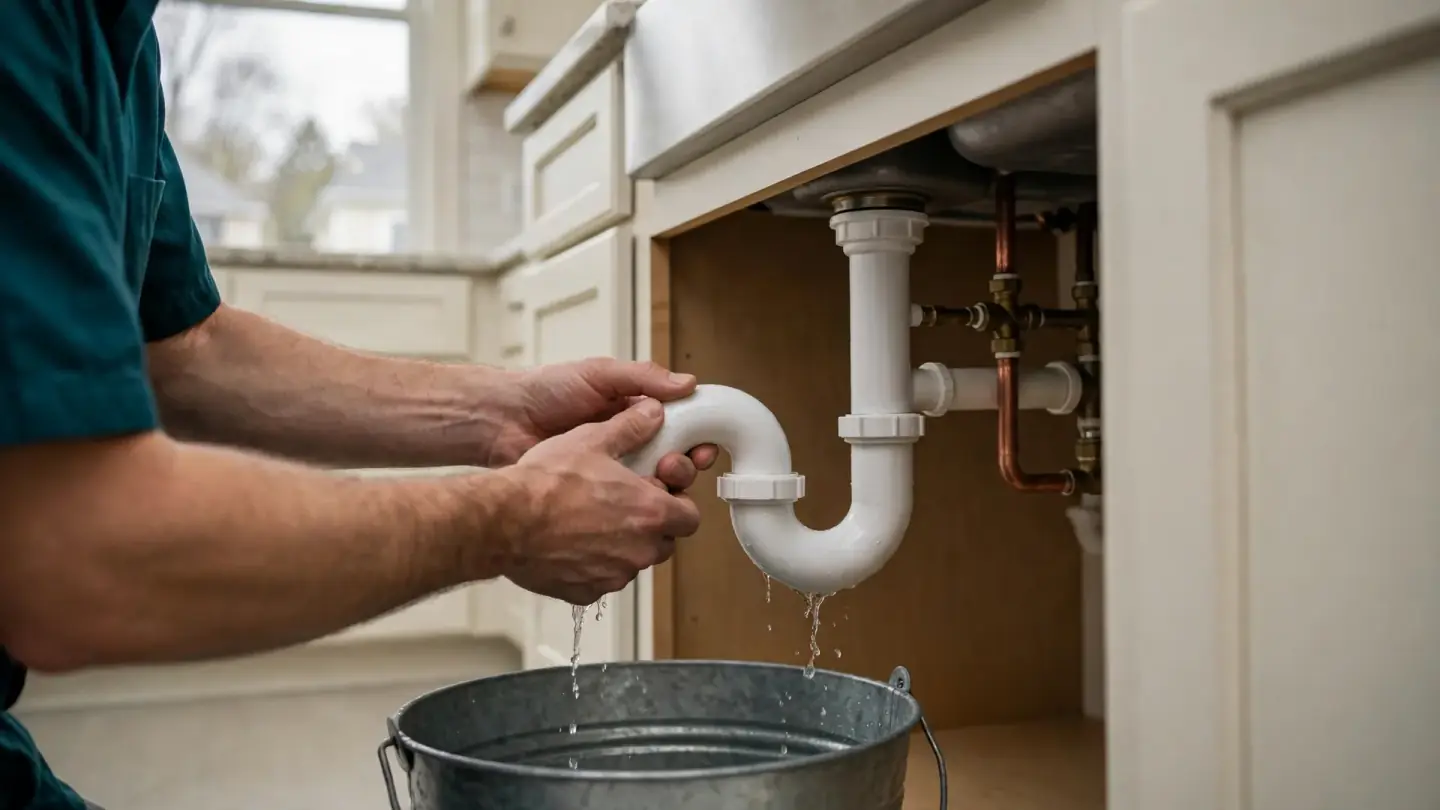
Jetting from inside a building means covering floors and fixtures near the access point, because some spray and debris can come back out.
- 4
Jet upstream, clean on the pull-back
The nozzle is fed up the line, then retrieved slowly so the rear jets scour each section. Several passes may be made.
- 5
Flush and verify
Clean water is run through the line and, ideally, a camera confirms the walls are clear.
- 6
Talk about upkeep
On grease-heavy lines, a cleaning interval is discussed so the line is jetted before it narrows again.
Jetting or cabling
Choosing between a jetter and a drain cable
| Situation | Jetting | Cable |
|---|---|---|
| Grease-coated kitchen or restaurant line | Strong choice: scours the wall | Opens a channel, grease remains |
| Hard object or wipes wad | May push it downstream or stall | Strong choice: snags and retrieves |
| Fine root hair after cutting | Flushes fragments away | Cuts roots; leaves debris |
| Sand, silt or scale | Strong choice with a flushing nozzle | Limited effect |
| Cracked or collapsed pipe | Avoided until repaired | Used with care; may snag |
| Fully blocked line full of water | Often after a cable opens it | Usual first step |
Do and don't
What owners can do around jetting, and what to avoid
- Scrape plates and pans into the trash and wipe greasy cookware before washing; jetting clears grease, but only habits stop it coming back.
- Run hot water after using a garbage disposal, but do not rely on hot water to carry grease away; it re-solidifies further down the line.
- Never use a pressure washer on a drain. Household units lack the hose, nozzles and control for pipes and can damage fittings or spray sewage back at you.
- Do not pour caustic or acid drain cleaners into a line before a jetting visit. Chemical residue in the water is a hazard for the person doing the work.
- If you manage a restaurant, keep the grease interceptor serviced on schedule; jetting the line does not replace interceptor pumping.
- Ask for a camera check if the line is old clay or has a history of breaks.
Local specifics
Jetting in Columbus: grease rules, older pipe and suburban lines
Grease is the single biggest reason lines get jetted, and Columbus treats it as a sewer system issue, not just a private one. The city's fats, oils and grease program requires food service establishments to write and follow a FOG Best Management Plan, and a central part of that plan is a grease interceptor cleaning log [1]. For a Short North restaurant or a café in a mixed-use building, a regular jetting schedule for the kitchen branch lines sits alongside interceptor service in that plan. The Short North page covers the building types there.
Grease does not only come from restaurants. Homes send cooking fat, dairy and food scraps down the kitchen drain, and combined with wipes they form the same kind of hardened mass known as a fatberg [2]. Jetting a home kitchen line every so often is a reasonable step if it keeps slowing.
Older Columbus neighborhoods add a caution. Clay tile laterals, common in housing built before plastic pipe, can have offset or cracked joints [3]. A contractor will typically look with a camera before jetting a line like that, and adjust pressure and nozzle choice to the pipe's condition. In newer suburban subdivisions, such as much of Hilliard, plastic drain lines take jetting well, and the usual targets are grease and the occasional sag that collects debris.
Water jetted down a residential lateral ends up in the public sewer. Inside Columbus that is the system run by Columbus Water & Power; Hilliard owns its own collection system but has long sent its sewage to Columbus for treatment under contract [4].
Results
When jetting solves the problem and when the pipe needs repair
Jetting is the right answer when the pipe is sound and the problem is buildup: grease, soap, scale, silt or root hair. After a thorough jetting, a line that was slowing every few weeks often stays clear far longer, especially if the source of the buildup is controlled.
Jetting is only a holding measure when roots are entering through a broken joint, or when a belly in the pipe collects grease faster than it can flow away. It can keep the line working on a schedule while you decide about repair, and the camera footage from the visit is what informs that decision. The guide on when to replace vs clean a sewer line goes through the factors.
Jetting is not appropriate on a collapsed pipe, on Orangeburg fibre pipe that has lost its shape, or where the camera shows open soil. In those cases repair comes first, and the line can be jetted afterward to clear debris from the work.
Safety and access
Where the jetter goes in and how the work stays controlled
Jetting depends on good access. The best entry is a cleanout sized for the line being cleaned: an outside cleanout for the main lateral, a basement cleanout for the building drain, or a wall cleanout behind a kitchen sink for the branch line. Feeding a jetter hose through a toilet or a small sink opening is possible for some jobs but awkward and messier, so the contractor will usually look for a proper cleanout first.
Pressure is matched to the pipe. Small interior branch lines get a smaller hose and nozzle at lower pressure than a four or six inch lateral. Older pipe gets gentler treatment than new plastic. That judgement is a big part of why jetting is a trade service and not a rental job.
During the work, the hose is fed and retrieved under control, with the operator watching how the water returns at the access point. A sudden change, like water backing up at the cleanout or the hose refusing to advance, is a signal to stop and look with a camera rather than push on.
On commercial jobs, the timing is usually planned around the kitchen's hours so that fixtures are not in use while the line is open and being flushed. In a home, it helps if nobody runs water upstairs while the jetter is working in the line below.
FAQ
What do Columbus property owners ask about hydro jetting?
Is hydro jetting safe for old cast iron or clay sewer pipes?
Hydro jetting is usually safe for old cast iron or clay pipe when the contractor checks the line first and sets pressure to suit it. Badly cracked, collapsed or offset pipe can be damaged further. A camera look before jetting is the normal way to decide whether the pipe can take it [3].
Will hydro jetting get rid of tree roots in my sewer line for good?
Hydro jetting can cut and flush roots out of a sewer line, but it does not stop them growing back. Roots return through the same cracked joints that let them in. Long-term fixes involve repairing or lining those joints, with jetting used to keep the line clear in the meantime.
Does hydro jetting make a mess inside the house?
Hydro jetting is normally done from a cleanout, often outside or in the basement, so mess inside living spaces is limited. Water and debris flow downstream toward the sewer. The contractor may protect the floor around an indoor cleanout, and you may be asked not to run fixtures during the work.
How often should a restaurant grease line be hydro jetted?
A restaurant grease line is often jetted on a schedule set by how quickly grease builds up, which depends on menu and volume. Some busy kitchens need it several times a year. Use camera findings and your interceptor records to set the interval, and keep the reports for the city's grease program [1].
Can hydro jetting fix a slow kitchen sink in a house?
Hydro jetting can clear a slow home kitchen line that is coated with grease, especially if cabling has not lasted. Small jetters are sized for household branches. For a one-time clog a cable may be enough, so the contractor usually decides after seeing how the line behaves.
What is the difference between hydro jetting and snaking a drain?
Snaking pushes a rotating cable through a clog to open a path, while hydro jetting uses water pressure to scour the full pipe wall. Snaking is quick for hair or a single blockage. Jetting removes grease, scale and root debris that a cable leaves behind, so it lasts longer on buildup.