Key facts: Rental Property Drain Backup
- Ohio law requires landlords to keep plumbing and sanitary fixtures they supply in good and safe working order [1].
- Ohio law requires tenants to keep plumbing fixtures as clean as their condition permits and to use them properly [2].
- Columbus's University District is the city's most densely populated area, with concentrated rental housing east of High Street near campus [3].
- Project Dry Basement covers approved backflow devices for qualifying single and two-family homes, which includes many rented doubles [4].
Who does what
Who is supposed to deal with a drain backup in a rented home?
In most Columbus rentals, the landlord arranges and directs drain repairs, and the tenant's job is to report the problem quickly and stop making it worse. Ohio's landlord-tenant law says a landlord must keep the plumbing and sanitary fixtures they supply in good and safe working order [1]. The same law says tenants must keep plumbing fixtures as clean as their condition permits and use them properly [2]. Your lease may add details, such as a maintenance request portal or an after-hours line.
That split matters in an emergency because it decides who calls the contractor and who the contractor takes instructions from. If you are a tenant, call your landlord or manager first. If they cannot be reached and sewage is spreading, follow the safety steps below and keep trying. If you are a landlord, this page explains what to ask your tenant and what the visit involves.
This page does not give legal advice, and it does not decide who should pay for anything. If you disagree with your landlord or tenant about a repair, Ohio State's Student Legal Services and other tenant resources can explain your options.
What tenants see
Backup signs to report to a landlord without delay
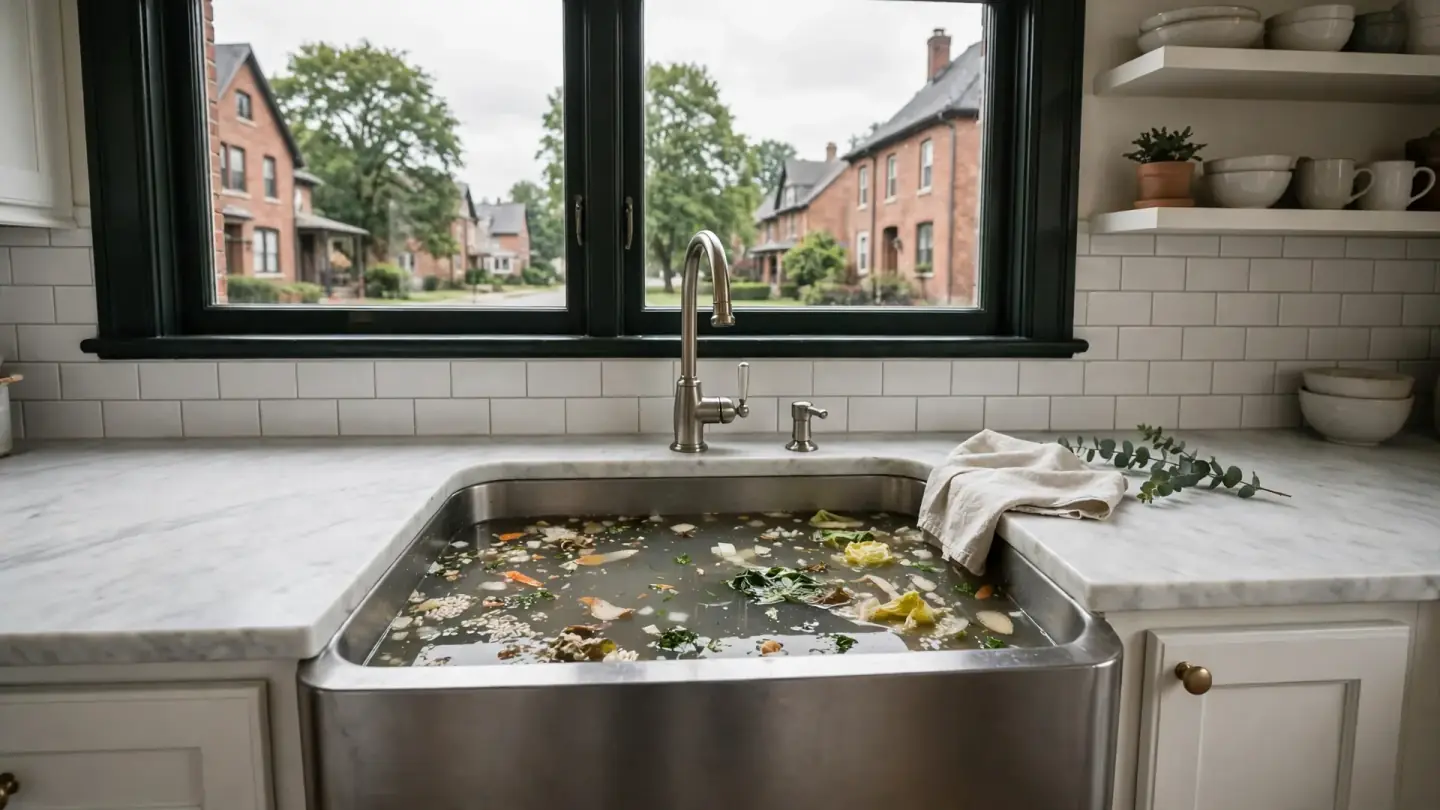
Water coming up where nobody used it
A tub filling when the toilet flushes, or the floor drain overflowing during laundry, means a shared line is blocked.
More than one unit affected
In a double or small apartment building, neighbors with slow drains too point to the building's main line.
A sewage smell with standing water
Dirty water sitting in a basement drain or shower with a sewer odor is a health issue to report straight away.
A toilet that will not stop rising
Close the supply valve behind the toilet, then report it; a single overflowing toilet can still flood a lower unit.
Notice
Why written notice matters during a rental drain emergency
A phone call gets things moving, but a written message protects everyone. Ohio's tenant remedies are built around written notice to the landlord, so put the report in a text, email or maintenance portal as well as calling [5]. Include what happened, when it started, which fixtures are affected and whether anything was damaged. Keep a copy.
Landlords benefit from the same record. A clear timeline helps the contractor understand the problem, helps show the issue was handled promptly, and helps with any insurance claim. If the contractor finds a cause, such as wipes, grease or tree roots, a note of that finding helps both sides understand what to change, which is far more useful than an argument about blame.
The visit
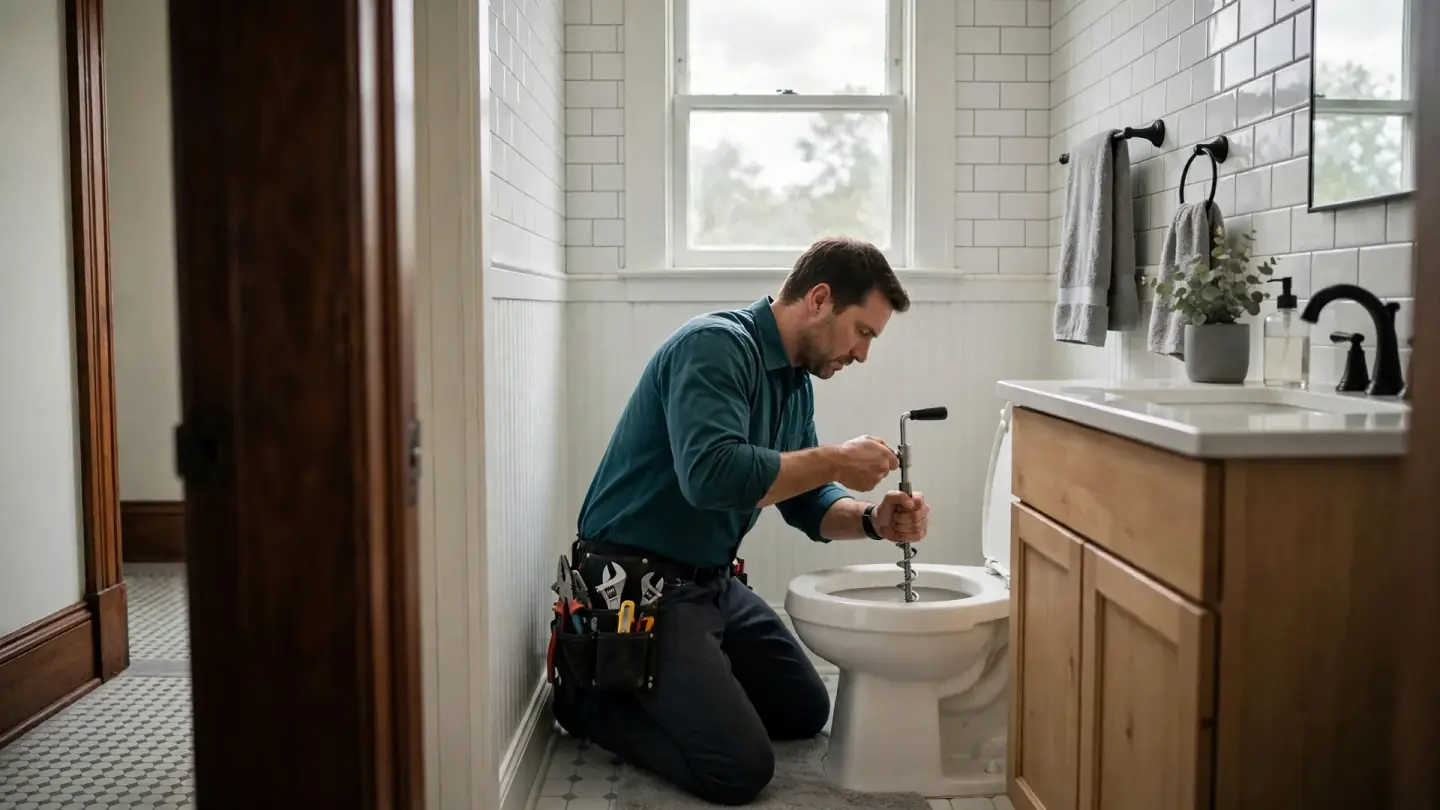
How an urgent visit to a rental usually runs
- 1
Confirm who authorizes the work
The contractor needs to know whether the landlord, a manager or the tenant is arranging the visit and who approves the work.
- 2
Arrange access
Basements and cleanouts in rentals are sometimes locked or shared. Someone with keys to the utility area saves a lot of time.
- 3
Find which line is blocked
Testing fixtures in each unit shows whether the clog is in one fixture, one unit's branch or the main line, as described on the clogged drain repair page.
- 4
Clear and test
The blockage is cleared from the most suitable access point, and every affected fixture is run to confirm flow.
- 5
Report what was found
The contractor explains the cause to whoever arranged the visit. A camera inspection may be suggested if the main line blocks repeatedly.
Local factors
Columbus rentals: doubles, older houses and campus housing
A large share of Columbus rentals are older houses split into units or side-by-side doubles, especially in the University District, Old North Columbus, the near east side and German Village. After the Second World War, many University District houses near Ohio State were converted to rentals or rooming houses [3]. That history means several households may share one old building drain that was sized for a single family. When one tenant's grease or wipes block it, every unit downstream feels it.
Student households turn over often, so nobody may know where the cleanout is or what happened last time. The student rental drain clogs guide covers the habits that cause most campus-area backups. Landlords of one- and two-family rentals should also know that Project Dry Basement can cover approved backflow protection if backups come from the public sewer, which starts with reporting each backup to the city's Sewer Maintenance Operations Center at 614-645-7102 [4].
For landlords
What landlords can do between emergencies
- Label the main cleanout and keep the area around it clear and accessible.
- Give tenants a simple sheet on what not to flush or pour down the sink at move-in.
- Keep a record of each backup and its cause so patterns show up.
- Consider scheduled cleaning or a camera check for an old shared line that blocks repeatedly.
Other urgent drain pages
If the backup is clearly sewage from the main line in the basement, the emergency sewer line cleaning page goes deeper on that. For everything else, start at the emergency drain cleaning page or the emergency hub.
FAQ
Tenant and landlord questions about rental drain backups in Columbus
Is my landlord responsible for a clogged drain in my Columbus apartment?
Generally the landlord must keep supplied plumbing in good and safe working order under Ohio law [1]. Tenants must use fixtures properly and keep them clean [2]. Who is responsible for a particular clog can depend on its cause and your lease, so report it promptly and in writing.
Can I call a drain contractor myself if my landlord does not answer?
You can call to check emergency availability, but tell the contractor you are a tenant and who owns the property, because the landlord normally authorizes and directs repairs. Keep trying the landlord, document the backup in writing, and check your lease for an after-hours maintenance line.
How should I tell my landlord about a sewer backup in writing?
Send a text, email or maintenance portal request that gives the date and time, what you saw, which drains are affected and any damage, and attach photos. Keep a copy. Ohio tenant remedies rely on written notice, so a written record matters even after a phone call [5].
Why does the downstairs unit flood when the upstairs tenants do laundry?
Both units probably share a building drain, and a blockage downstream makes water from upstairs come out at the lowest opening, often a basement floor drain. Ask everyone on that line to stop using water and report it to the landlord so the shared line can be cleared.
What should a landlord ask a tenant before sending a drain contractor?
Ask which fixtures are backing up, whether other units are affected, whether it is sewage or clear water, when it started and whether it is raining. Confirm someone can open the basement or utility area. Those answers let the contractor plan access and bring the right equipment.
Do student rentals near Ohio State have more drain backups?
Shared older houses with many occupants often see more clogs from grease, wipes and hair, and frequent turnover means habits reset each year. The University District has concentrated rental housing in older homes [3]. Clear move-in guidance and scheduled line cleaning help reduce repeat backups.