Key facts: Student rental drain clogs near OSU
- The University District, home to Ohio State's main campus, is described as Columbus's most densely populated area [1].
- After World War II many University District houses were converted to rentals or rooming houses [1].
- Ohio landlords must keep plumbing and sanitary fixtures they supply in good and safe working order [2].
- Ohio tenants must keep plumbing fixtures as clean as their condition permits and use them properly [3].
Short answer
Why campus-area rental drains clog so often
A typical rental near campus puts more people on fewer fixtures than the house was built for. The University District is described as the most densely populated part of Columbus, and after the Second World War many of its single-family houses were converted into rentals and rooming houses [1]. That means one shower handling hair from several heads, one kitchen sink taking grease from several cooks, and old drain lines carrying far more daily flow than they once did.
The fix for a single slow fixture is usually simple. The bigger question in a rental is who arranges it. Ohio law puts the duty to keep supplied plumbing in good and safe working order on the landlord [2], and the duty to use fixtures properly and keep them clean on the tenant [3]. So the first step for a tenant is almost always a written report to the landlord or property manager.
Rental table
Rental drain problems and who to tell
| What you see | Likely cause | What to do |
|---|---|---|
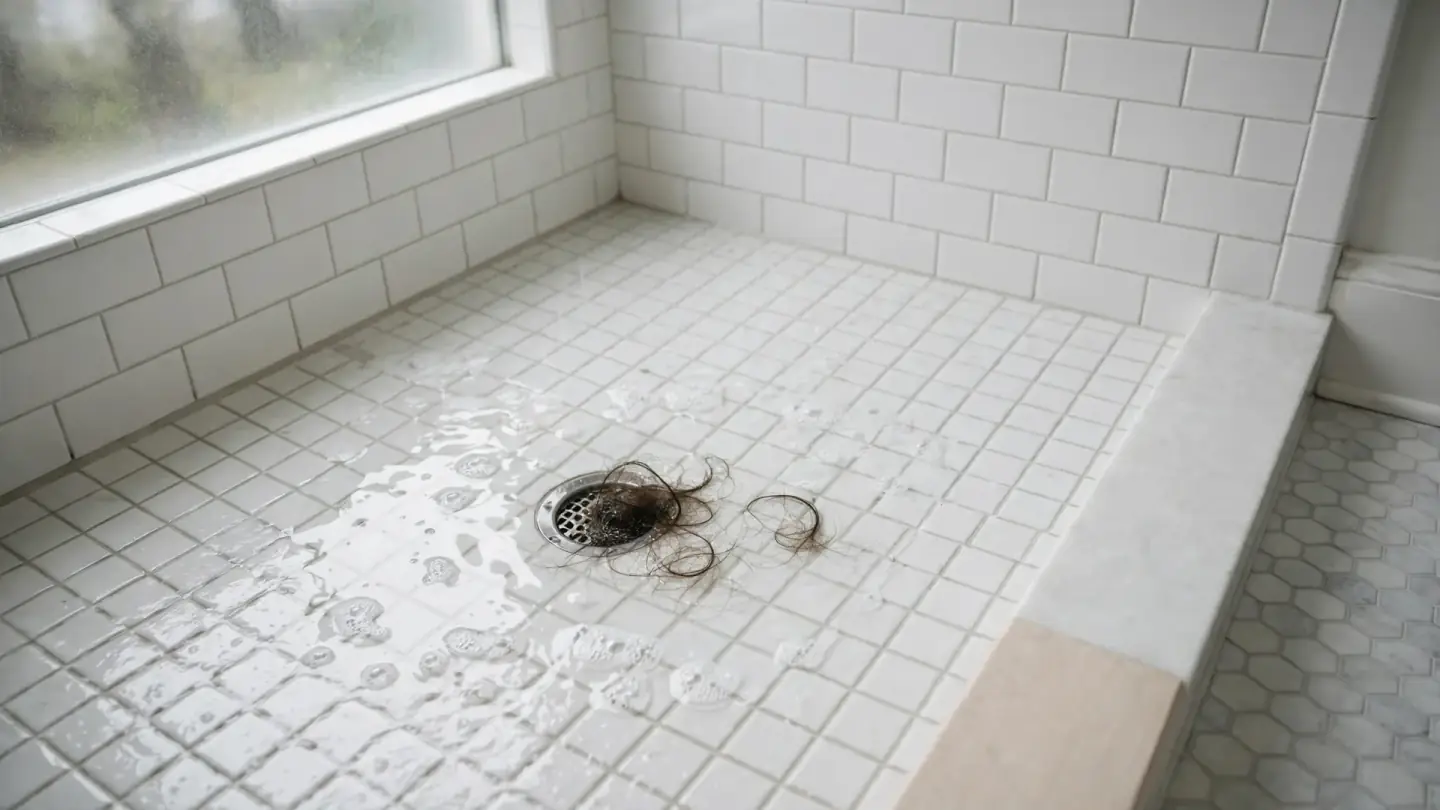
| Shower drains slowly, water around ankles | Hair and soap build-up | Clear the strainer; report it if it stays slow |
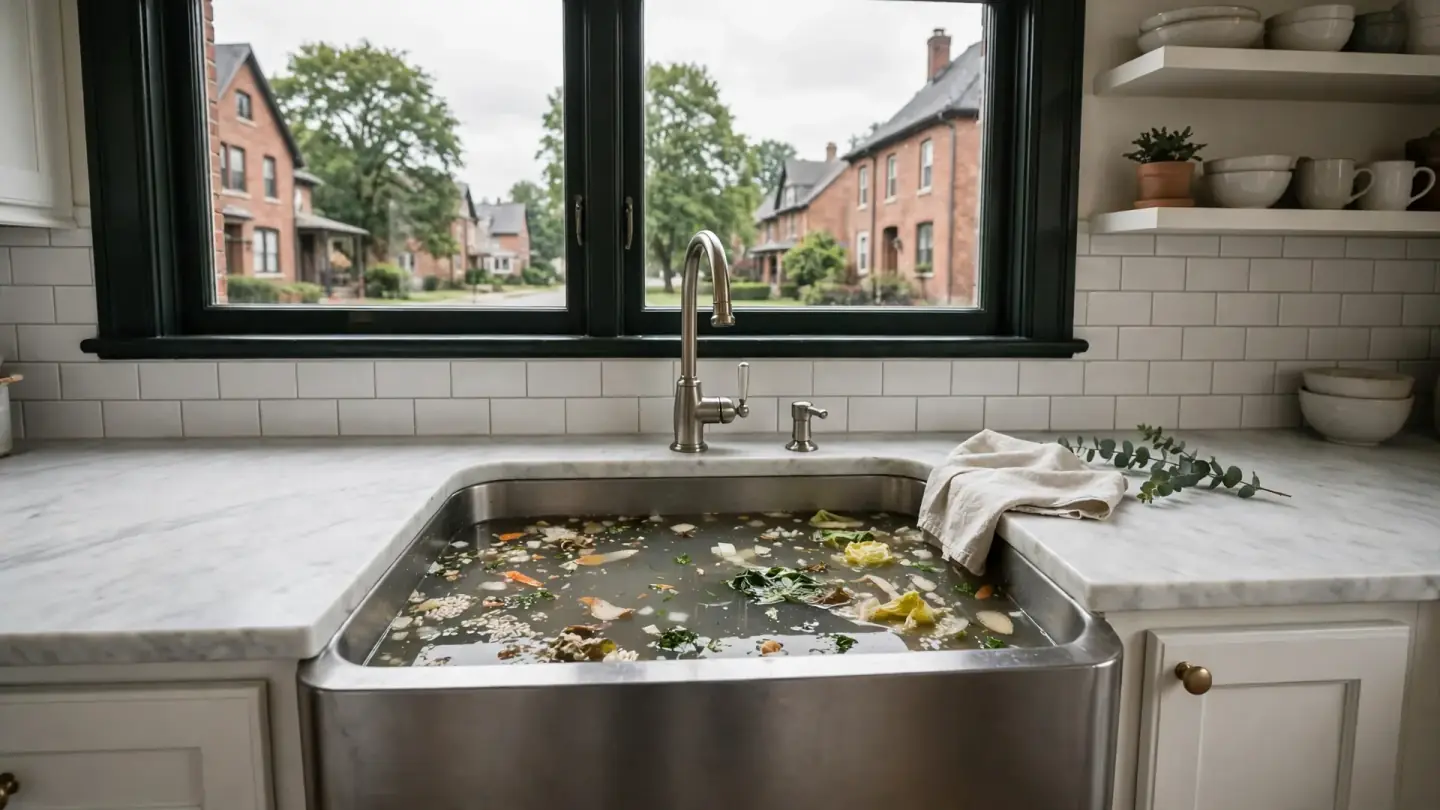
| Kitchen sink backs up after a party or big cook | Grease and food solids | Stop pouring grease; report the clog in writing |
| Toilet overflows after flushing wipes | Wipes snagged in the toilet drain | Stop flushing and report it right away |
| Basement or lower unit drain fills when others shower | Shared building drain blocked | Tell everyone to stop water use; notify the landlord urgently |
| Bad smell from an unused second-floor shower | Dry trap | Run water for a minute |
Hair is the classic shared-bathroom clog
Safe checks
What a tenant can safely try before reporting
- Lift and clean the shower or tub strainer and pull out any visible hair.
- Use a cup plunger on a slow sink and a flange plunger on a toilet, gently.
- Run hot tap water, not boiling water, through a slow kitchen sink.
- Do not pour chemical drain openers into a fully blocked drain; they sit in the pipe and splash on whoever opens it.
- Do not take apart pipes or fittings; that can turn a clog into a leak the lease may hold you responsible for.
Bathrooms
Hair, wipes and too many flushes on one line
Bathrooms in converted houses were often added later, on long or shallow drain runs, and they see heavy morning use. Hair is the main shower problem; a hair catcher fixes most of it. Toilets fail when wipes, paper towels or hygiene products are flushed, because they do not break down like toilet paper. The toilet drain clearing page covers what happens when a closet auger is needed.
Watch for patterns. If the shower slows when the toilet flushes, or a lower bathroom gurgles when an upper one drains, the clog is probably in a shared line. That is no longer a one-fixture job, and the multiple drains guide explains why.
Responsibilities
Landlord duties, tenant duties and putting it in writing
The Ohio Revised Code requires landlords to keep the plumbing and sanitary fixtures they supply in good and safe working order [2]. A neighbouring section requires tenants to keep fixtures as clean as their condition permits and to use them properly [3]. A clog from normal wear in an old line sits on the landlord's side; a clog from a roommate flushing wipes may be charged back under the lease.
Report clogs in writing, by email or the landlord's portal, with the date, the fixture and what you have tried. Keep a copy. If water is spreading or sewage is coming up, phone the landlord too and say it is urgent. Tenants should not book their own contractor unless the landlord agrees, because the lease decides who arranges repairs.
Diagnosis
How a contractor sorts out a rental clog
- 1
Which fixtures
The contractor asks which drains are affected and whether others in the house are too.
- 2
Clear the fixture
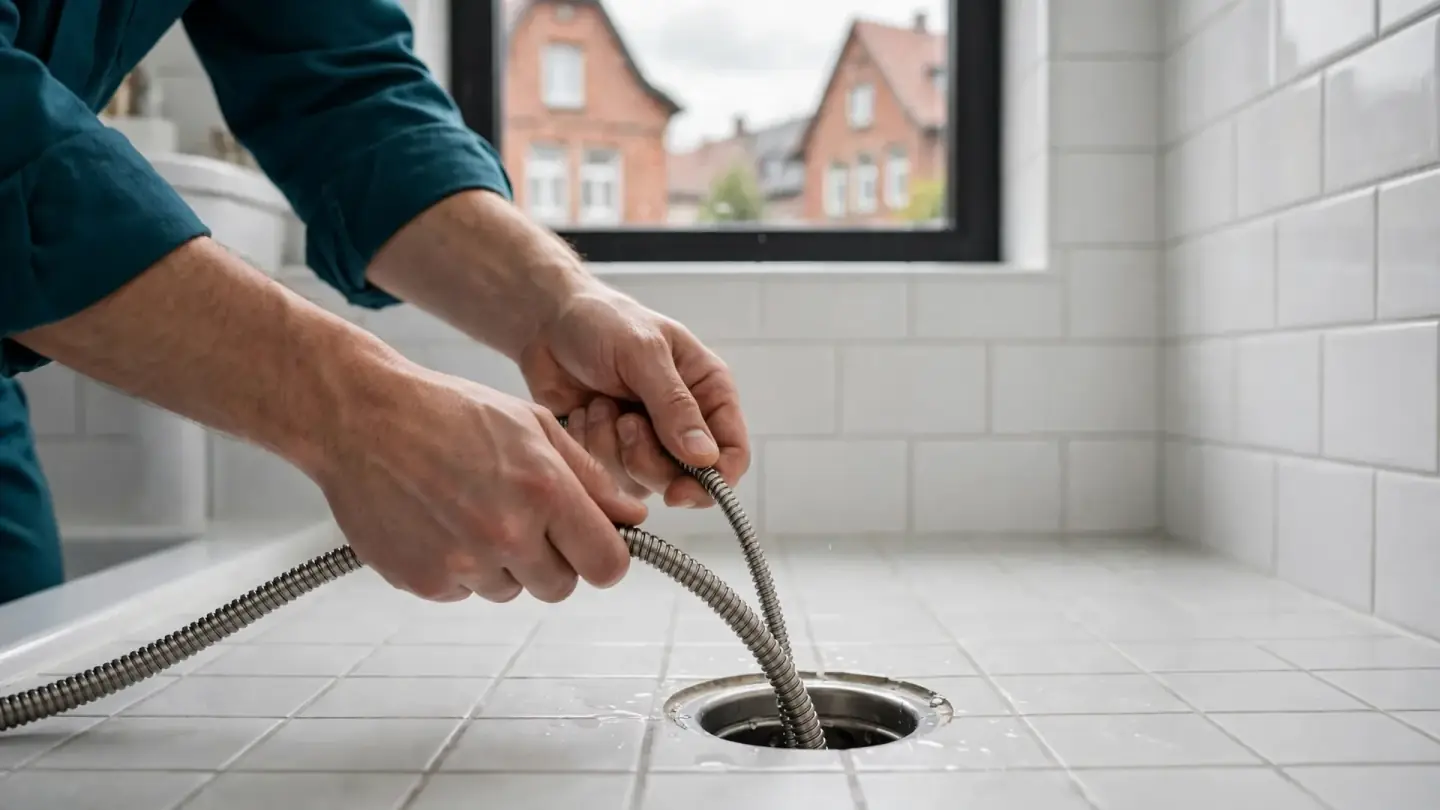
A single fixture clog is cleared at the trap or with a hand cable.
- 3
Check the shared line
If more than one fixture is affected, the building drain or main sewer line is cleared from a cleanout.
- 4
Show what came out
Hair, grease or wipes tell the landlord and tenants what caused it.
- 5
Note repeat problems
A camera can show whether an old line is likely to keep clogging.
On the call
Details a landlord or contractor will want
- The address and which unit or floor.
- Which fixtures are slow or backing up, and since when.
- What has been tried, including any plunging.
- Whether other units or lower floors are affected.
- Who is authorised to approve the work.
FAQ
Student renter drain questions around campus
Is my landlord responsible for a clogged drain in my campus rental?
Usually, if the clog comes from normal use or an old line, because Ohio landlords must keep supplied plumbing in good and safe working order [2]. If tenants caused it, for example by flushing wipes, the lease may let the landlord charge it back [3]. Report it in writing either way.
Can I call a drain cleaner myself if my landlord is slow to respond?
Check your lease and ask the landlord first, in writing. The lease usually says who arranges repairs, and booking your own contractor can leave you responsible. If sewage is spreading, phone the landlord, say it is urgent, and keep a record of the request.
What should roommates never put down the kitchen sink?
Grease, oil and fat are the big ones; Columbus asks residents to cool grease, seal it in a container and trash it, even with a garbage disposal [4]. Rice, pasta, coffee grounds and large food scraps also belong in the trash, not the drain.
Why does the shower in our shared bathroom clog every few weeks?
Several people's hair plus soap scum collects at the strainer and the first bend of the drain. A hair catcher emptied every few days stops most of it. If it keeps clogging even with one, report it; the shower and tub drain line may need cleaning.
Should I tell my landlord about a slow drain or wait until it stops?
Tell them while it is slow. A slow drain is easier to clear, and a written report shows you raised it early. Waiting until it backs up risks water damage that becomes a dispute at move-out.
Why does water come up in the basement when people shower upstairs?
The shared building drain below the house is blocked, so water from upstairs fixtures rises at the lowest opening. Ask everyone to stop using water and notify the landlord urgently; this needs the main line cleared, not a plunger.