Key facts: Emergency Drain Cleaning
- A drain emergency is water or sewage coming back out of a fixture, not a sink that is simply slow; stop all water use in the building until the cause is found.
- Caustic and acidic drain cleaners can react with each other and splash back, so never pour a second product on top of a first [1].
- Columbus residents with a basement backup should log it with the city's always-staffed sewer maintenance line, 614-645-7102, and save the request number [3].
- Ohio plumbing contractors are licensed by the state; you can look up a licence before work starts [4].
Triage first
Is this a drain emergency or a slow drain?
Most drain trouble can wait for a scheduled visit. A bathroom sink that takes a minute to empty, a shower that leaves a puddle around your feet, a kitchen sink that gurgles when the dishwasher runs: these are warnings, and they are worth booking, but they are not emergencies. The situation changes when water has nowhere left to go. If a toilet is overflowing, if the basement floor drain is pushing up grey or brown water, or if every fixture on the lowest floor is backing up at once, the blockage is now creating damage faster than you can mop.
The quickest way to tell the difference is to ask where the water is going. When it eventually drains, you have a partial clog in one branch and time to plan. When it rises, or when using one fixture makes water appear in another, the blockage is downstream of several fixtures, often in the building drain or the main sewer line, and the clock is running.
There is a third category that people often miss: a backup that has stopped for the moment because nobody is using water. A floor drain that overflowed during the morning showers may look fine at noon. It has not fixed itself. As soon as the washing machine pumps out or someone takes a bath, the same water will be back. Treat a backup that happened today as live even if the floor is dry now.
Warning signs
Signs a drain problem has become urgent
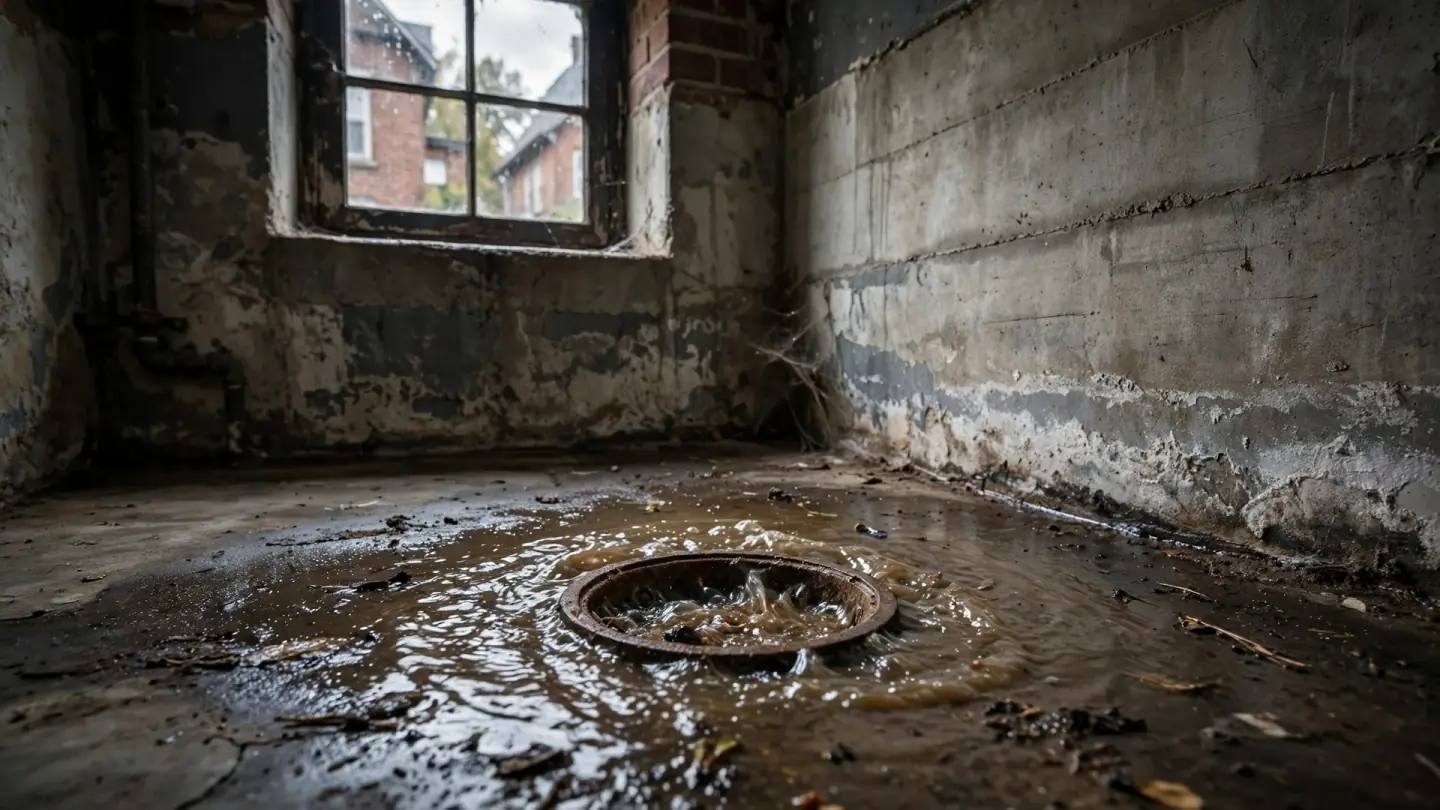
Water rising from the lowest drain
A basement floor drain, laundry tub or lower-level shower filling with water you did not run usually means the main line is blocked and everything upstairs is draining toward it.
One fixture fills when another drains
Flushing a toilet and seeing the tub fill, or running the kitchen sink and seeing the laundry standpipe overflow, points to a shared line that is completely stopped.
Sewage odour with standing water
A rotten-egg smell from a drain that is also holding water suggests sewage, not just soap and hair, is sitting in the pipe. Keep children and pets away from it.
Water near outlets or appliances
Any backup that reaches a furnace, water heater, extension cord or floor-level outlet is a safety problem as well as a plumbing one. Stay out of standing water near electricity.
Why chemicals make it worse
Why a bottle of drain opener is the wrong move during a backup
Liquid openers are designed for a slow sink with a small soft clog close to the drain opening. They are not designed to dissolve a blockage forty feet away in a four-inch line under the basement slab. When the pipe is full, the product simply sits in the standing water at the fixture, where it can burn skin and eyes when someone later reaches in or plunges [1].
The other problem is what happens when the contractor arrives. A drain machine cable or a plunger stroke can splash whatever is in the line back toward the person working on it. Tell the person you're connected with exactly what you poured, how much, and when. That information changes how they approach the opening.
If you already used a product, do not try to flush it through with more water. Close off the fixture if you can, ventilate the room, and leave it alone until help arrives.
The visit
What an emergency drain visit usually involves
Every job is different, but the sequence is fairly standard once the contractor is on site.
- 1
Sorting out the backup by phone
You describe which fixtures are affected, what you have already tried, and whether there is sewage involved. That is the time to describe the problem in detail; the contractor uses it to decide what equipment to bring.
- 2
Finding the lowest access point
Most main-line work starts at a cleanout, a capped fitting on the building drain or outside near the foundation. If there is no accessible cleanout, the contractor may pull a toilet or use a roof vent.
- 3
Clearing the blocked drain
A cable machine with a cutting head is the usual first tool for a hard stoppage [2]. Once water is flowing, the contractor runs water to confirm the line drains at full volume.
- 4
Checking what caused it
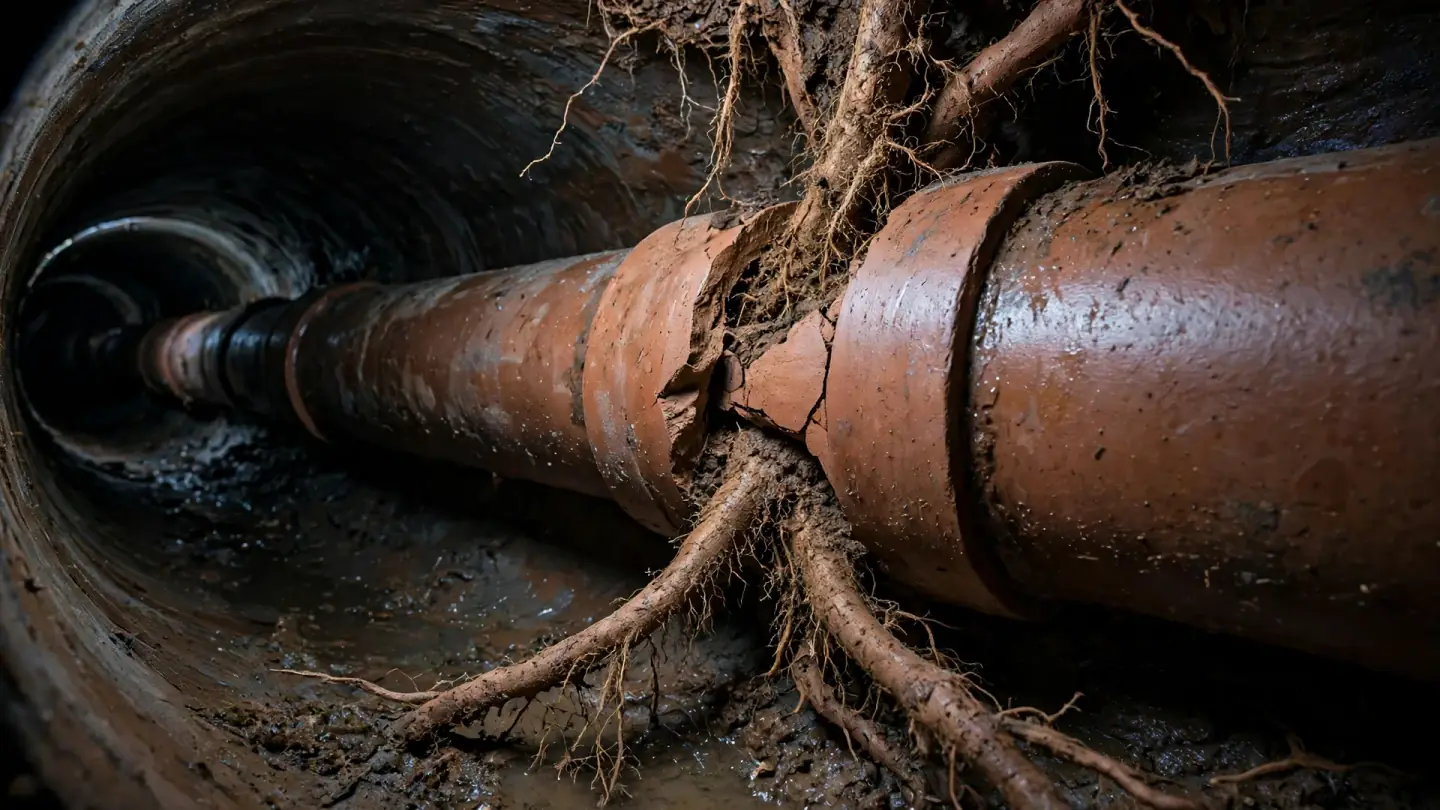
For a repeat or a main-line backup, many contractors recommend a drain camera inspection so you know whether roots, grease, a belly or a broken section was behind it.
- 5
Talking about next steps
You decide on the spot whether to do anything beyond reopening the line. Nothing beyond what you agree to on the call or at the visit should happen.
Who to call
Matching the backup to the right help
| What you see | Most likely location | Where to start |
|---|---|---|
| One sink or tub backing up, others fine | Branch line or trap at that fixture | Stop using it; book clogged drain repair, or use the urgent clogged-drain page if it is your only one |
| Basement floor drain overflowing | Building drain or main sewer line | Stop all water use; call for a main-line opening; report to SMOC if sewage entered the basement |
| Water in the street or neighbours affected too | Possibly the public sewer | Call 311 or the city; a private contractor cannot work on city mains |
| Toilet overflowing, nothing else affected | Toilet trap or closet bend | Close the supply valve; see the urgent toilet page |
City or private line
Is the backup coming from the city sewer or my own pipe?
Columbus Water & Power, the city department formerly called the Department of Public Utilities, runs the public sewer system that most homes in the city drain into [5]. If several houses on your street are backing up at the same time, or if water is standing in the street during a storm, the public sewer may be surcharged. A private drain contractor cannot clear a city main, so the first call in that case is to the city.
For a backup that is only in your house, the blockage is almost always in your own building drain or lateral. Even then, reporting a basement backup to the city's Sewer Maintenance Operations Center is worth doing, because the city's Project Dry Basement program, which covers an approved backflow device for qualifying single and two-family homes, requires that the backup was reported [3].
FAQ
Emergency drain cleaning questions
Can someone come out tonight to clear a drain that is overflowing in my house?
Availability depends on the independent local contractor you are connected with, so call to check emergency availability. This site does not dispatch crews or promise times. While you wait, stop all water use, shut the supply to any overflowing fixture, and move valuables away from the water. Describe exactly where water is rising.
Should I keep plunging while dirty water is rising out of the basement floor drain?
Plunging a floor drain that is filling from below rarely helps and can spread sewage. Water rising there usually means the main line is blocked, so every upstairs fixture is feeding the problem. Stop water use in the whole house instead. The floor drain guide explains what that pattern usually means.
How dangerous is sewage water on a basement floor after a drain backup?
Sewage water carries bacteria and viruses, so treat it as hazardous. Keep children and pets out, wear boots and gloves, and do not touch electrical equipment standing in water. Do not use household fans that push contaminated air through the house. Clean and disinfect hard surfaces after the line is cleared, and discard soaked porous items.
What details does the contractor need when I call about a drain emergency?
Say which fixture is overflowing, whether it is clean water or sewage, and whether other drains are affected. Mention the age of the house, any cleanout you know about, and anything you have poured or tried. Those details help the contractor decide between main line cleaning and a single-fixture visit.
How can I tell if a slow drain has turned into a real drain emergency?
A drain becomes an emergency when water comes back up, spreads to the floor, or more than one fixture is affected. A sink that drains slowly but empties can usually wait for a regular visit. The slow sink guide covers that case, and the general clog page covers non-urgent clogs.
Does homeowners insurance cover damage from a drain or sewer backup in Ohio?
Coverage depends on your policy, and many standard home policies need a separate water backup endorsement. Check your policy or call your insurer before cleanup if you can. Photograph the water, damaged items and the fixture involved, and keep any paperwork the contractor gives you about where the blockage was found.
Which emergency drain page fits my problem: toilet, kitchen, bathroom or sewer?
Choose by where the water appears. An overflowing toilet fits the toilet emergency page, a full kitchen sink fits the urgent kitchen page, and sewage in the basement fits the sewer backup page. The full services list covers the rest.