Key facts: Preventative Drain Maintenance
- Preventative maintenance suits lines with a known, repeating cause such as roots, grease or a mild sag; it does not fix damaged pipe.
- Columbus says homeowners with a Project Dry Basement backflow device should inspect and clean it monthly [1].
- Blueprint Columbus redirects roof water and offers a voluntary sump pump program to stop rainwater entering the sanitary system [2].
- Food service establishments in Columbus must keep a FOG Best Management Plan with a grease interceptor cleaning log [3].
How it works
What a drain maintenance plan includes
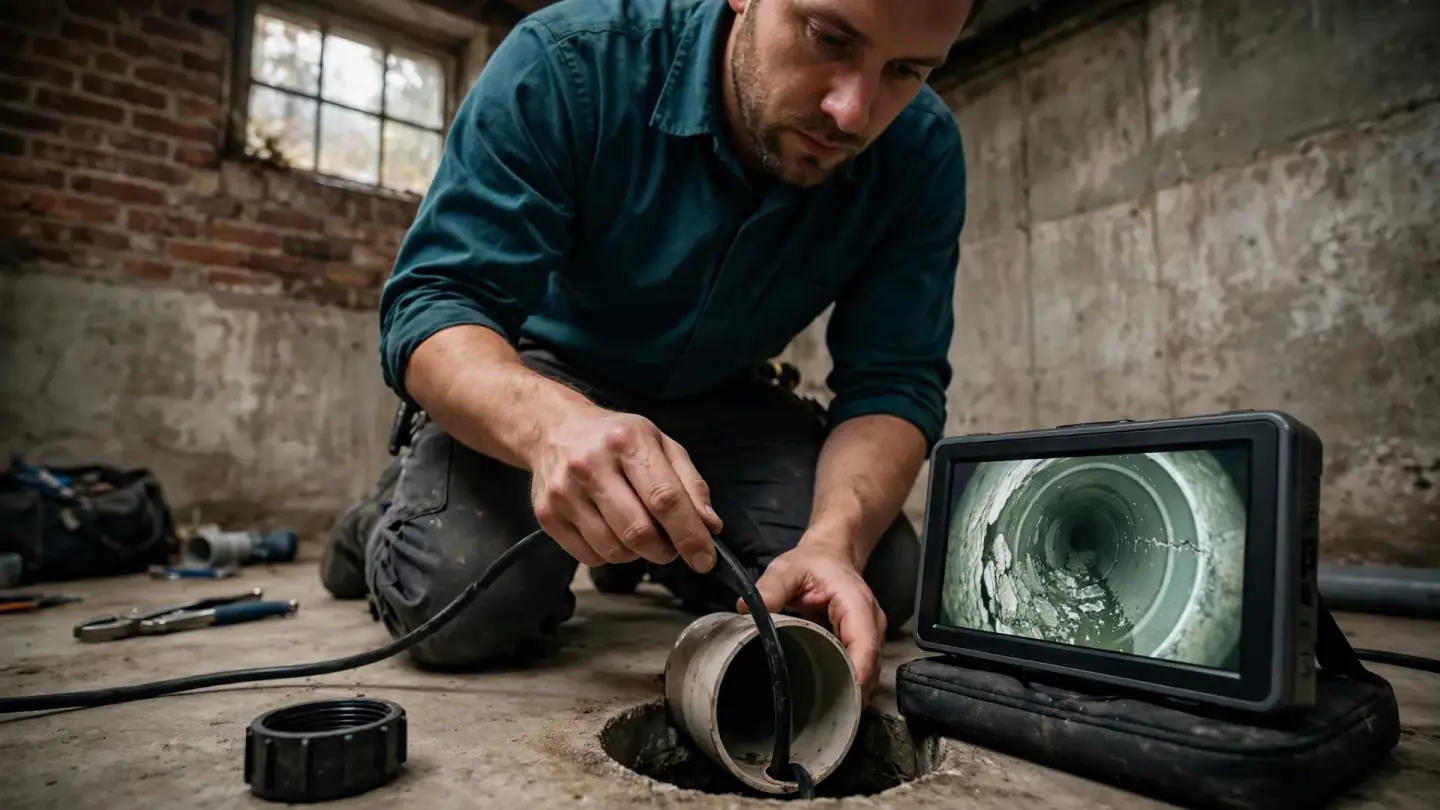
Preventative drain maintenance is not a product. It is a plan built around the specific lines in your building that have a history, and a schedule for cleaning and checking them before they fail. A good plan starts with understanding why each line clogs, usually from a drain camera inspection or a sewer line inspection, and then matches the work to the cause.
For a lateral with root intrusion at a few joints, the plan might be cutting the roots each year before the spring growth season and checking with a camera every so often to see whether the intrusion is getting worse. For a kitchen line that collects grease, it might be jetting at a set interval. For a basement with a backwater valve, it includes checking that the valve's flap or bellows moves freely and the housing is clear.
The interval is set by evidence, not by a calendar sales pitch. If the camera shows a line is still clean at the next visit, the interval can stretch. If buildup returns faster than expected, it shortens, or the conversation turns to repair.
Maintenance also includes the owner's side: what goes down the drains, how the gutters and downspouts handle roof water, and whether floor drain traps stay filled. Those habits often matter as much as the cleaning.
See the drain service directory for one-off work, or read about camera checks on a problem branch and restaurant drain programs.
Signs
Which lines belong on a maintenance schedule?
Roots that return every year
If cutting clears the line but it backs up again within a year, a schedule keeps it ahead of regrowth. Read tree roots in sewer lines.
A kitchen line that keeps slowing
Grease builds up steadily. If a slow draining sink is a regular event, scheduled jetting is usually the answer.
Storm-season floor drain trouble
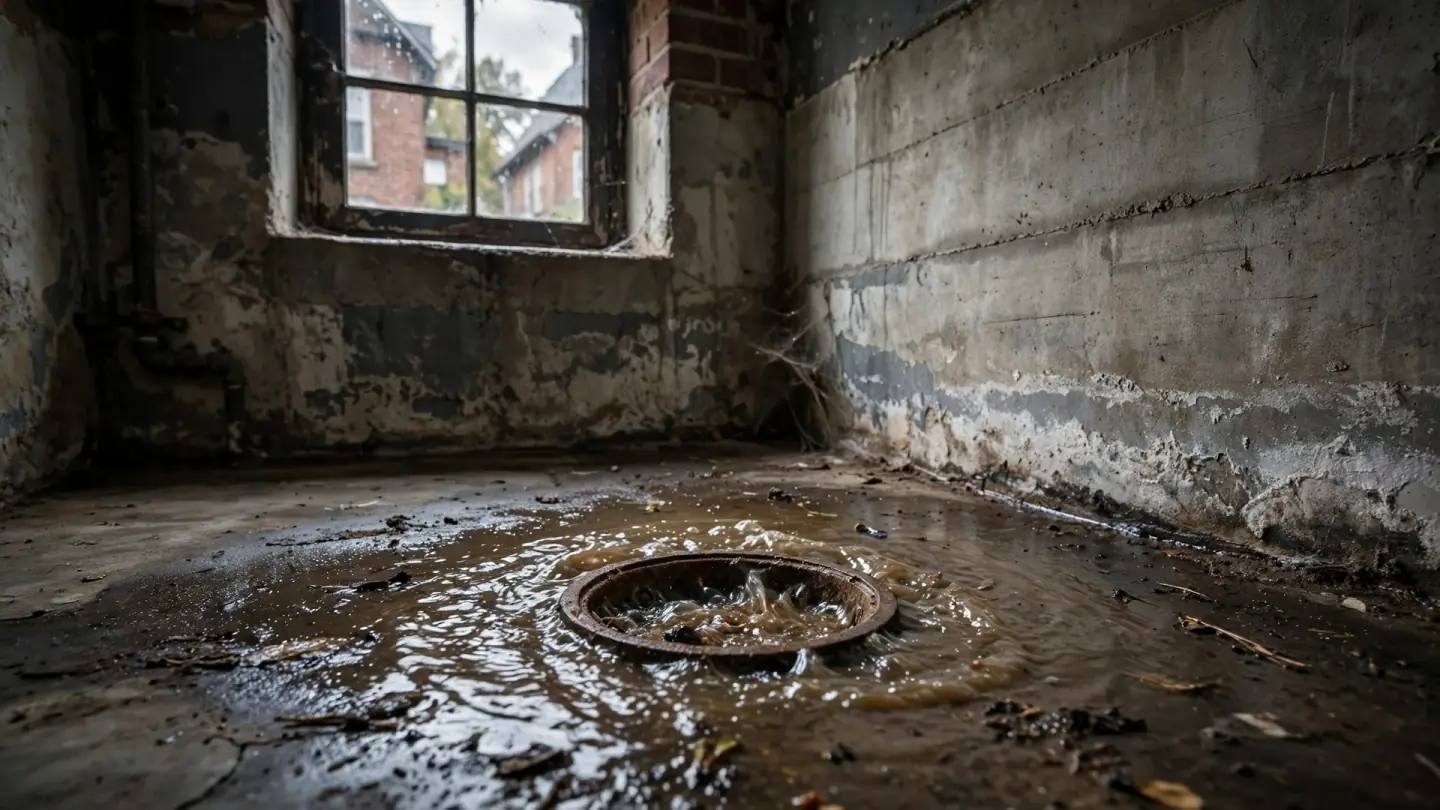
Basements that take water in wet weather need valves and sump systems checked before the season. See basement floor drain backing up.
A line you are not ready to replace
If repair is coming but not yet, maintenance keeps it working in the meantime. The replace vs clean guide helps time that decision.
Building the plan
Setting up a preventative maintenance schedule
- 1
List the problem lines on the call
Which drains have backed up, how often, and what was found when they were cleared. This is where the plan starts.
- 2
Establish a baseline
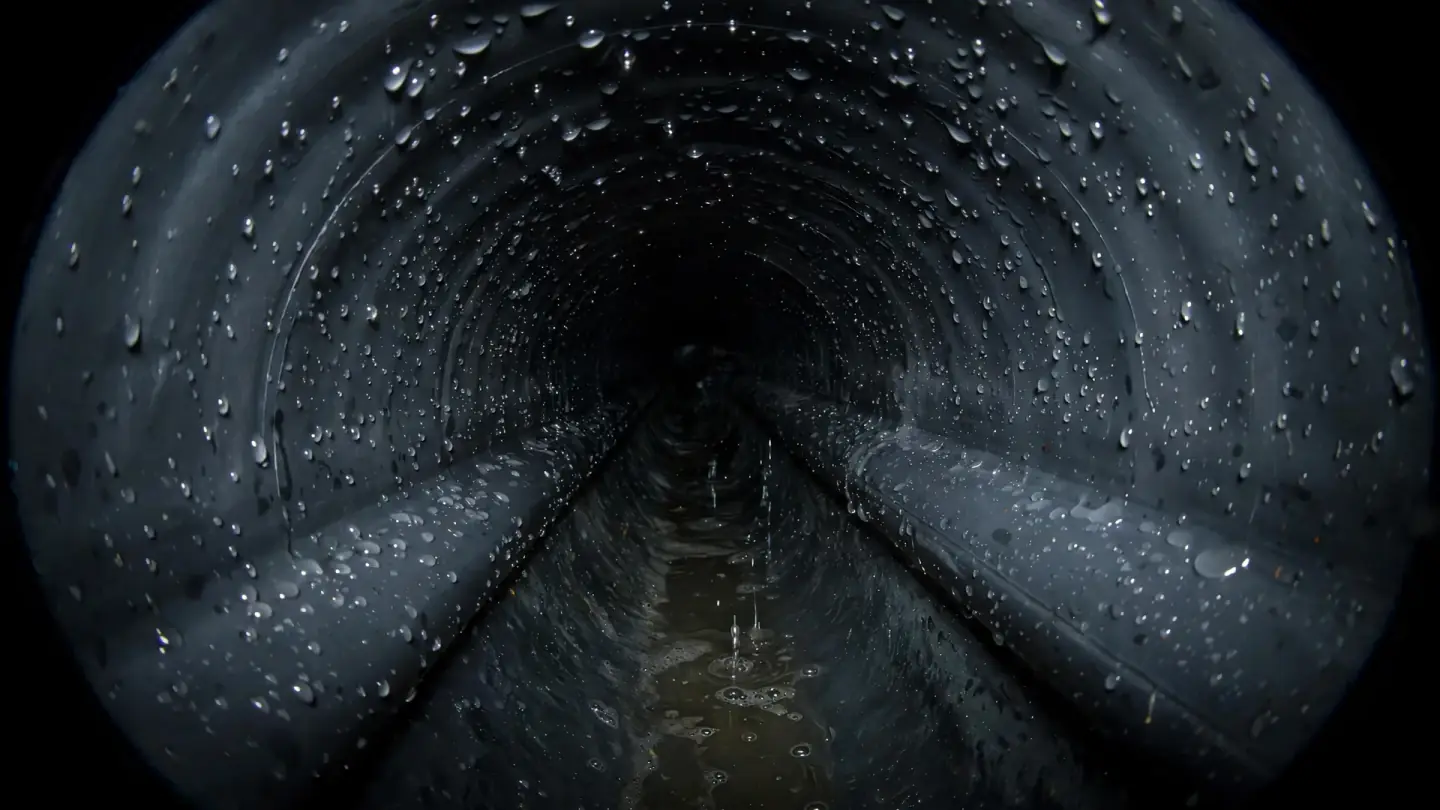
A camera look after cleaning records the condition of each problem line, so later visits have something to compare against.
- 3
Match the method to the cause
Root cutting for intrusion, jetting for grease and scale, flushing for silt, valve checks for backwater devices.
- 4
Choose a starting interval
Based on how quickly the problem has returned in the past, agreed between you and the contractor.
- 5
Review at each visit
Compare camera results to the baseline and lengthen, shorten or rethink the schedule.
- 6
Revisit repair when the trend worsens
If roots or damage grow between visits, the plan becomes a bridge to repair rather than a permanent answer.
Maintenance tasks
Common maintenance tasks and what they address
| Problem | Maintenance task | Who usually does it |
|---|---|---|
| Root intrusion in a clay lateral | Scheduled root cutting and periodic camera checks | Contractor |
| Grease in kitchen lines | Scheduled jetting; scraping and strainers daily | Contractor and household or kitchen staff |
| Backwater valve in a floor drain | Exercise and clean the valve; check the housing | Owner regularly; contractor on inspection |
| Sump pump | Test the pump and float; check the discharge line | Owner; contractor if it fails |
| Dry floor drain traps | Pour water into rarely used drains | Owner |
| Gutters and downspouts | Keep clear and pointed away from the foundation | Owner |
Owner tasks
Routine checks you can do between visits
- Pour a bucket of water into basement floor drains that rarely see use, so the trap stays filled and blocks sewer gas.
- If you have a backwater valve from Project Dry Basement or elsewhere, follow the city's guidance to inspect and clean it monthly [1].
- Test a sump pump by slowly adding water to the pit and watching it start and stop.
- Clean gutters and make sure downspouts discharge away from the house, not into a drain connected to the sewer.
- Use strainers in kitchen and shower drains and empty them into the trash.
- Do not use chemical drain openers as maintenance; they do not prevent buildup and can damage older pipe and seals.
- Stop and call if a line that is on a schedule starts slowing early; that is a sign something has changed.
Local specifics
Maintenance in Columbus: backflow devices, rain water and grease logs
Columbus has two city programs that directly affect drain maintenance at home. The first is Project Dry Basement, which can cover a city-approved backflow device for eligible one- and two-family homes that had backups from the public sewer [1]. A device that is never checked may not close when it needs to, and the city's own guidance is to inspect and clean it monthly [1]. A contractor can check the valve and the line around it as part of a scheduled visit.
The second is Blueprint Columbus. Blueprint works on four fronts: lined laterals, redirected downspouts, sump pumps for homes that volunteer, and green infrastructure such as rain gardens, all aimed at keeping rain water out of the sanitary sewer [2]. If your home had downspouts redirected or a sump pump installed through the program, keeping gutters clear and the pump working is part of your own maintenance. Rain water that finds its way back into the sanitary line adds to the risk of wet-weather backups.
For businesses, maintenance is partly a compliance matter. Food service establishments must keep a FOG Best Management Plan, with a grease interceptor cleaning log at its center [3]. Scheduled jetting of kitchen lines sits alongside interceptor service in that plan; see commercial drain cleaning for more.
Older neighborhoods such as Clintonville and German Village, with mature trees and clay laterals, are where root maintenance schedules are most common [4]. In newer suburbs, plans more often center on grease and sump systems.
Know the limits
When maintenance makes sense and when repair is the better plan
Maintenance is the right approach when the pipe is basically sound and the cause is something that accumulates: roots at a few joints, grease, scale, silt. Handled regularly, those lines can serve for years without a backup.
Maintenance is a bridge, not a fix, when the camera shows broken pipe, heavy roots at many joints, a large belly, or Orangeburg pipe losing its shape. Cleaning those lines on a schedule keeps them working while you plan, but the intervals tend to shorten over time. When a line needs attention more and more often, that trend is itself the signal that repair or lining deserves a closer look.
If you are not sure which situation you are in, the first maintenance visit with a camera is the way to find out. The video, with distances, gives you and the contractor a shared picture of the line to plan from.
Homes and businesses
How maintenance plans differ for households and commercial properties
A household plan is usually small: one or two lines with a known issue, a backwater valve or sump pump, and a handful of habits. The schedule might be one visit a year, timed before the season when the problem tends to show up. Roots are often handled in late winter or early spring, and storm-related checks before the wet months.
A commercial plan is larger and more frequent. A busy kitchen may need its lines jetted far more often than a house ever would, and the plan has to fit around service hours and the grease interceptor schedule. Multi-unit buildings need the shared stack and building drain included, since a problem there affects every tenant.
In both cases, the most useful part of the plan is the record: what was cleaned, what the camera showed, and when. Over a few visits, that record shows whether the line is stable, improving or getting worse.
Through the year
A seasonal rhythm for Columbus drain upkeep
Central Ohio's seasons give drain maintenance a natural rhythm. Late winter and early spring, before trees push out new growth, is a sensible time to cut roots in a lateral that has a history of intrusion. Roots grow toward the moisture and nutrients inside a sewer pipe, so clearing them before the growing season gives the longest stretch of free flow.
Spring and early summer storms are when basements are most likely to see water at the floor drain. Before that season, check that gutters are clear, that downspouts discharge where they should, that the sump pump runs, and that any backwater valve moves freely. Those checks take little time and address the wet-weather risk that city programs like Blueprint Columbus are designed around.
Autumn brings leaves into gutters and area drains, and the holidays bring more cooking. Homes that host large meals often see kitchen drains slow in late November and December, which makes autumn a good time to jet a grease-prone kitchen line.
Winter is a quieter time for most drains, but it is when floor drain traps in unheated or rarely used spaces can dry out, letting sewer odor into the basement. A bucket of water down each one now and then keeps the traps sealed.
Fitting the schedule to these seasons means each visit lands at the point where it does the most good.
FAQ
What do people ask about preventative drain maintenance?
How often should a problem drain be cleaned on a maintenance schedule?
A problem drain is usually scheduled for cleaning a little before it would normally clog again. If roots slow a line every spring, cleaning in late winter makes sense. A camera inspection after the first cleaning shows how fast buildup returns, which sets a realistic interval.
Is drain maintenance worth it if my sewer line is old?
Scheduled maintenance can be worth it on an old sewer line that is structurally sound but collects roots or scale. It keeps the line working while you plan a longer-term fix. If a camera shows collapse, heavy offsets or missing pipe, cleaning on a schedule just delays a repair that is still needed.
Does a Project Dry Basement backwater valve need maintenance?
A backwater valve installed through Columbus's Project Dry Basement needs occasional checks so its flap closes freely [1]. Debris or grease can hold it open, which removes the protection. Follow the guidance from the installer or the city, and have the drain line kept clear so solids do not collect around the valve.
Do enzyme drain treatments replace professional drain cleaning?
Enzyme drain treatments do not replace mechanical cleaning when a line already has heavy grease, roots or scale. Enzyme products can slow grease buildup in some lines when used regularly. Cleaning removes what is there; enzymes may help keep a clean line clear longer.
When is the best season for drain maintenance in Columbus?
Late winter to early spring is a sensible time for drain maintenance in Columbus, before tree roots grow actively and before heavy spring rain tests basement drains. Kitchen lines can be done before the holidays, when cooking volume rises. Match the timing to when your drains have failed in past years.
Can a renter ask a landlord for preventative drain maintenance?
A renter can ask a landlord to schedule drain maintenance, especially if the same drain backs up repeatedly. Repairs to building drains are usually the owner's responsibility under the lease. Keep a note of dates and symptoms when you ask, so the landlord or property manager can explain it to the contractor.